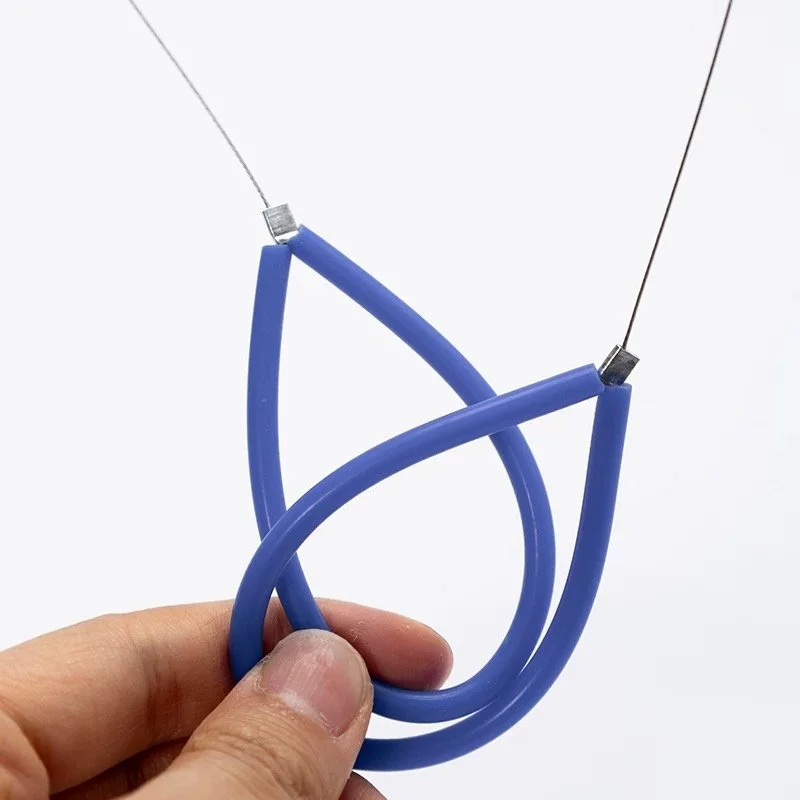
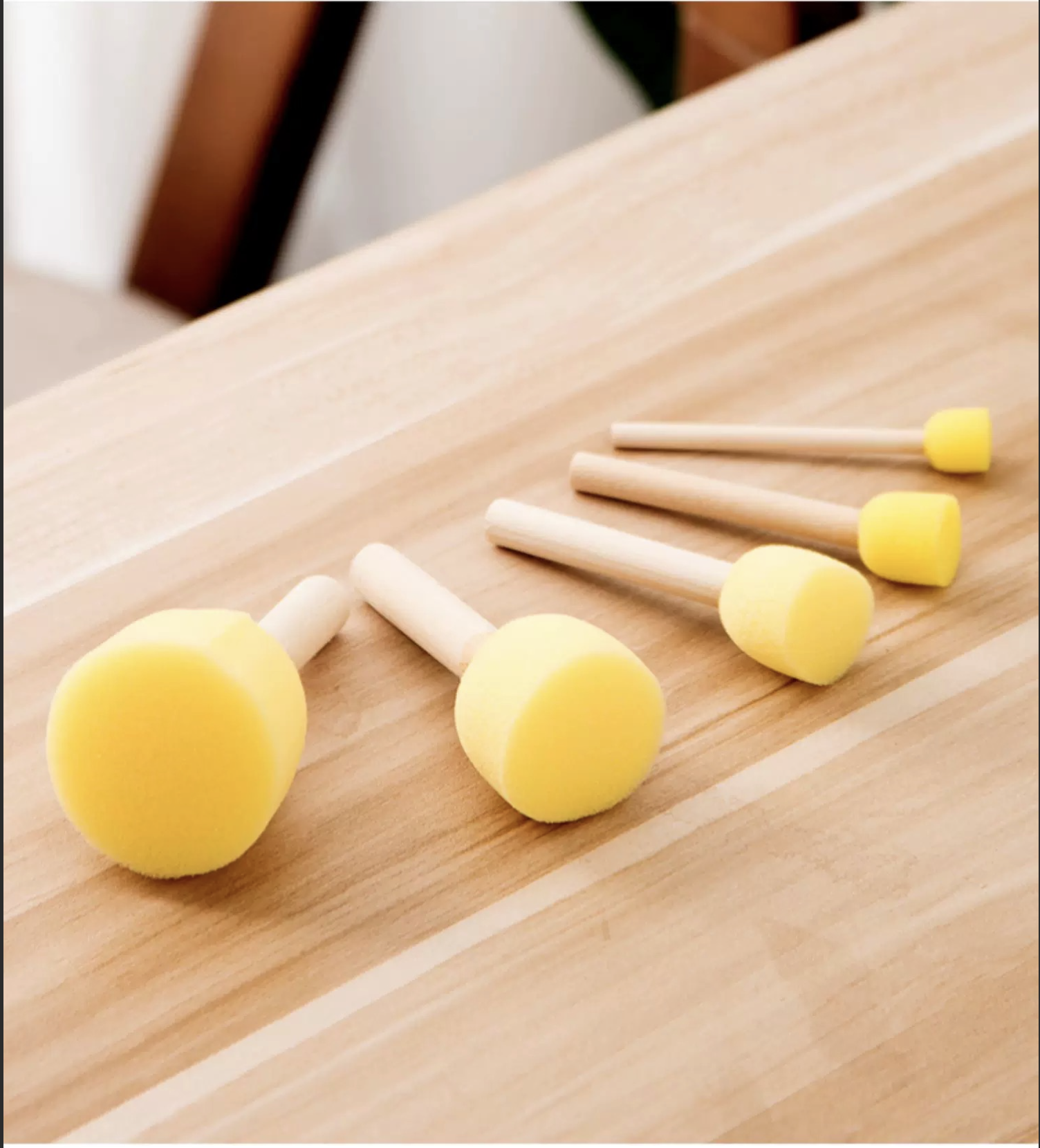
The Underglaze Maker Pen is the ultimate tool for potters and ceramic decorators who love precision and ease. Designed with a unique dual-tip head, this pen lets you switch between fine and broad lines — just flip the tip around to change it!
Features:
Flip-around dual tip – one end fine, the other broad
Easily switch tips for different line weights
Pre-filled with bold, vibrant underglaze
Perfect for use on bisque-fired clay
Great for detailing, lettering, illustration, and layering
How to Use:
Shake well before first use. Press the tip gently until the underglaze flows. We recommend testing on paper or a scrap piece before applying to your ceramic work.
A studio favorite for a reason — clean lines, no mess, and total control in one sleek pen.


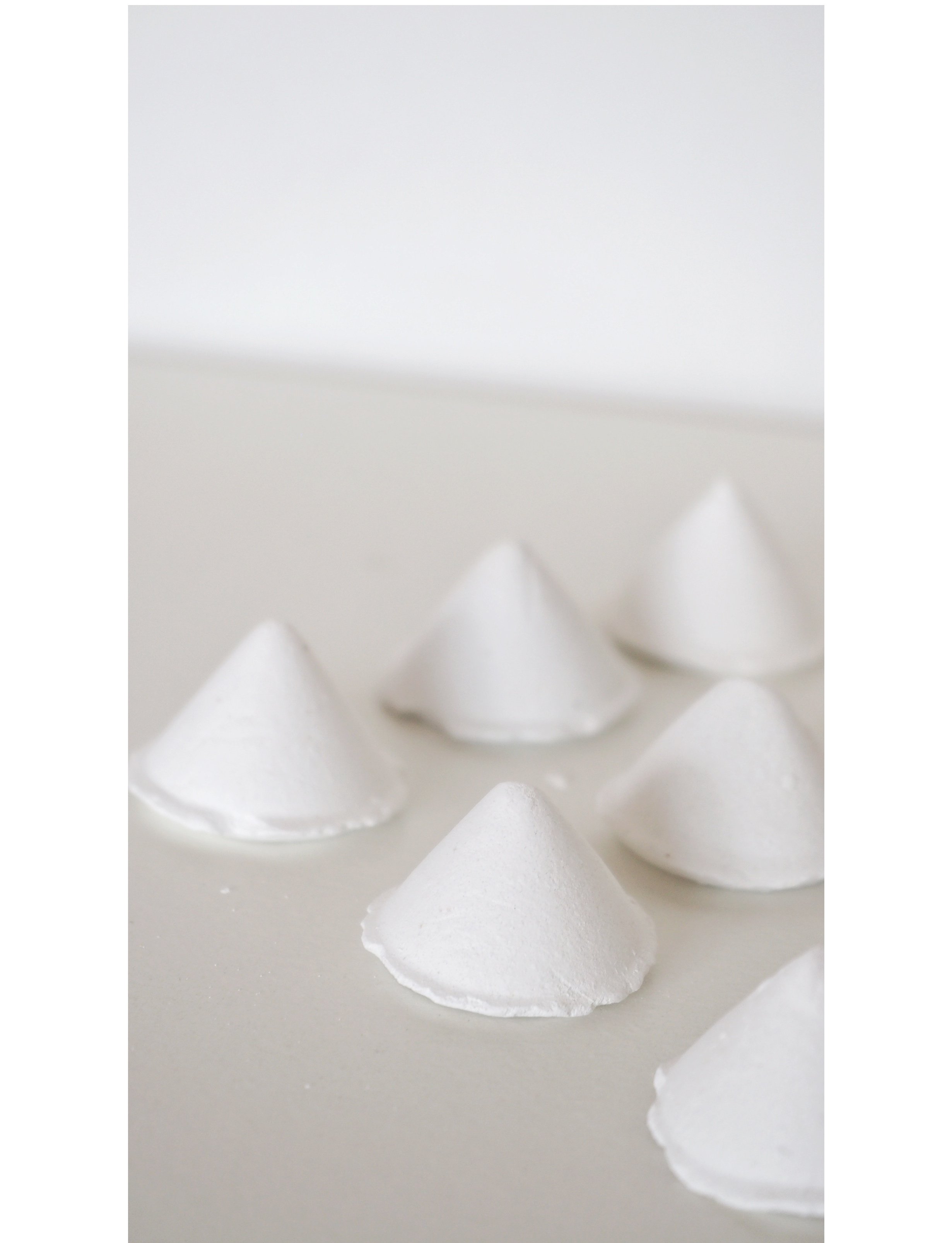

10 pieces per bag
These high-quality refractory kiln stilts are a must-have for ceramic artists and potters. Built to support and elevate your ceramic pieces during firing, they’re made from sturdy, heat-resistant materials designed to endure the extreme temperatures inside a kiln, maintaining their strength and shape throughout the process.
By using these stilts, you can safeguard your glazed surfaces and achieve a smooth, professional finish on your pottery. Whether you’re a hobbyist, professional, or working in a studio, these stilts are an essential tool for flawless firing results.
Protect your ceramics and elevate your work with these durable kiln stilts.


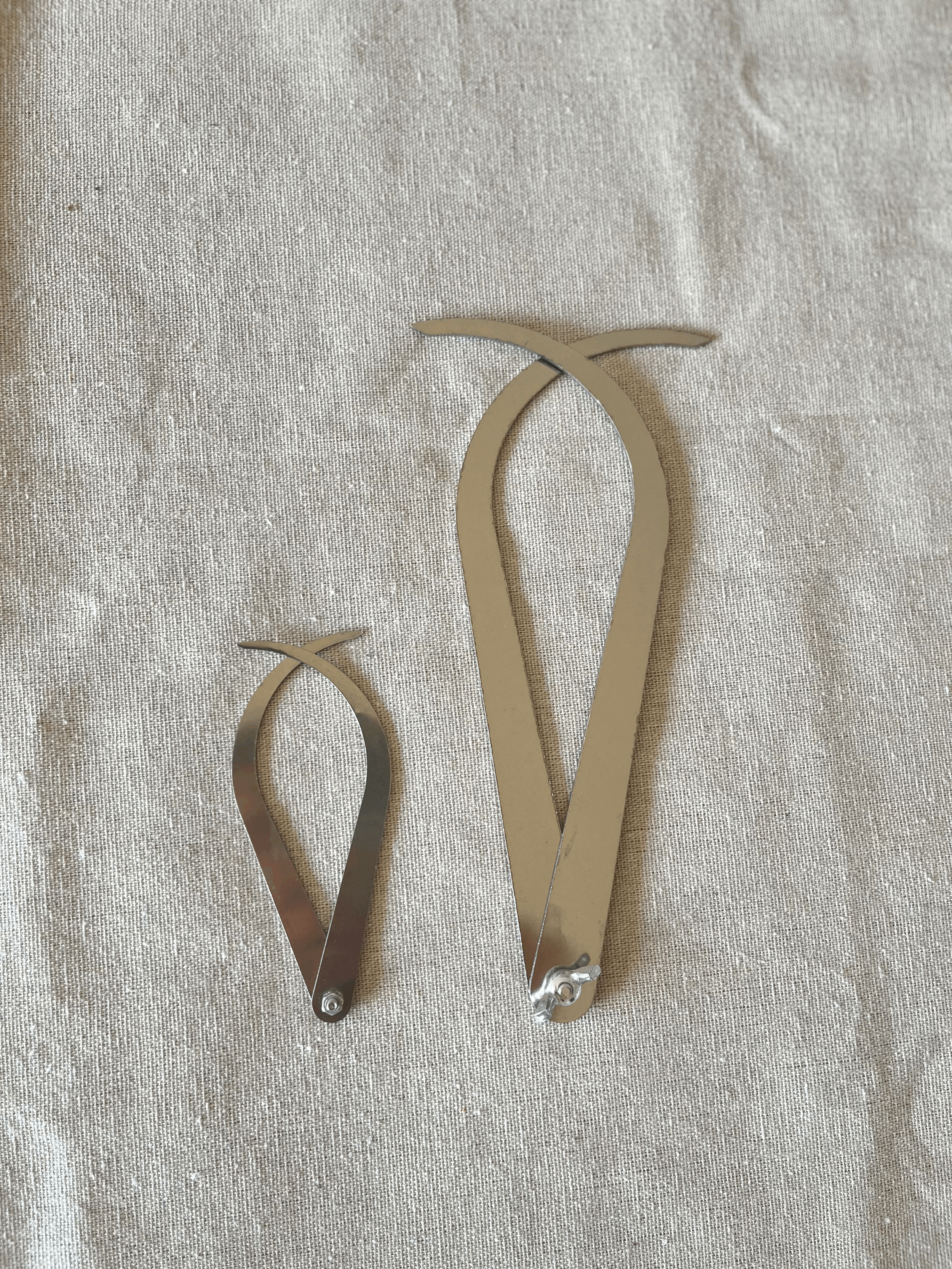
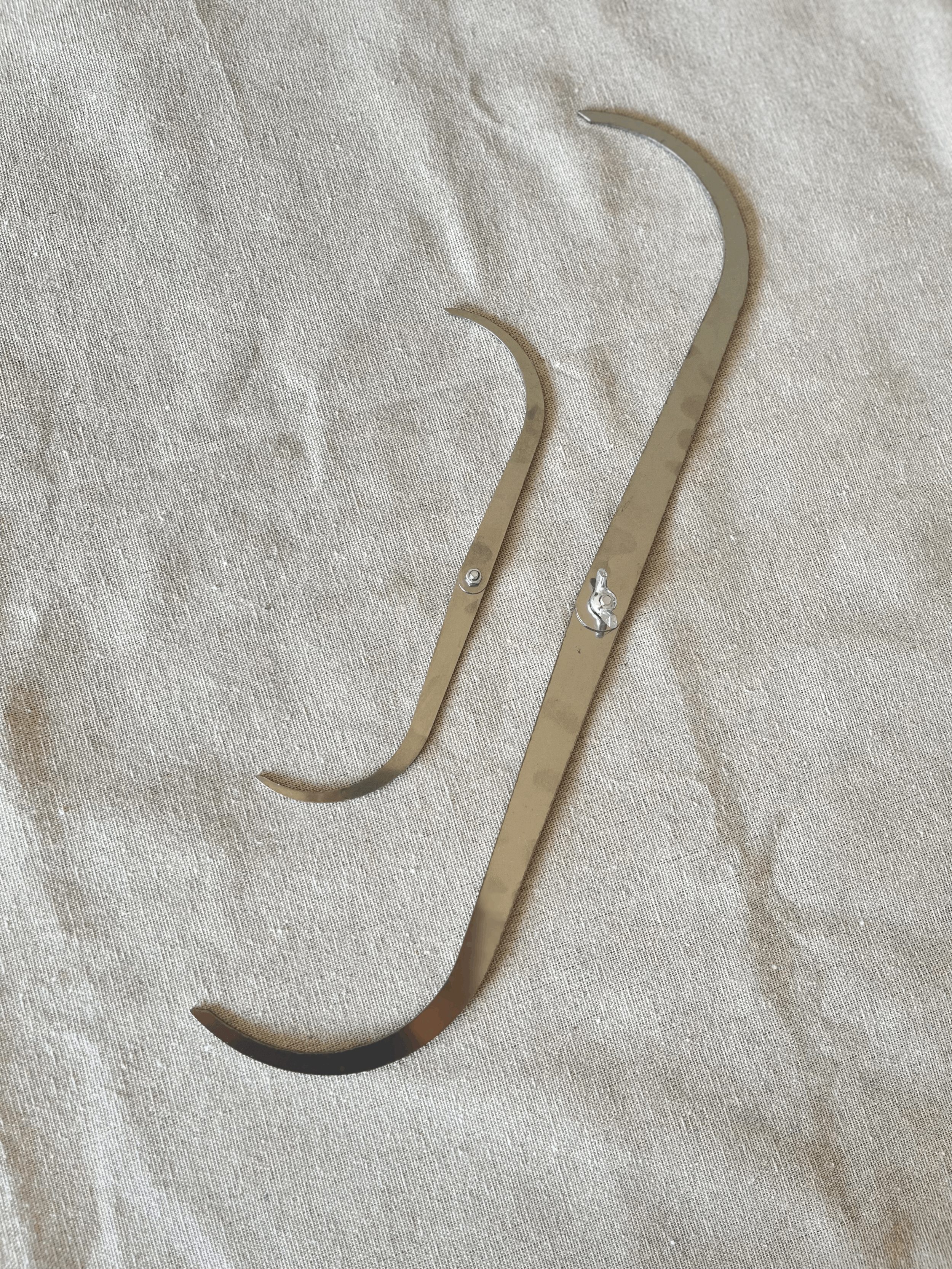
This pottery caliper is an essential tool for measuring the internal and external dimensions of ceramic pieces, especially when creating matching parts like lids and openings. It allows you to easily replicate dimensions with accuracy during the forming or trimming process.
Sizes: Approx. 10cm (small) and 20cm (large), to suit various vessel sizes


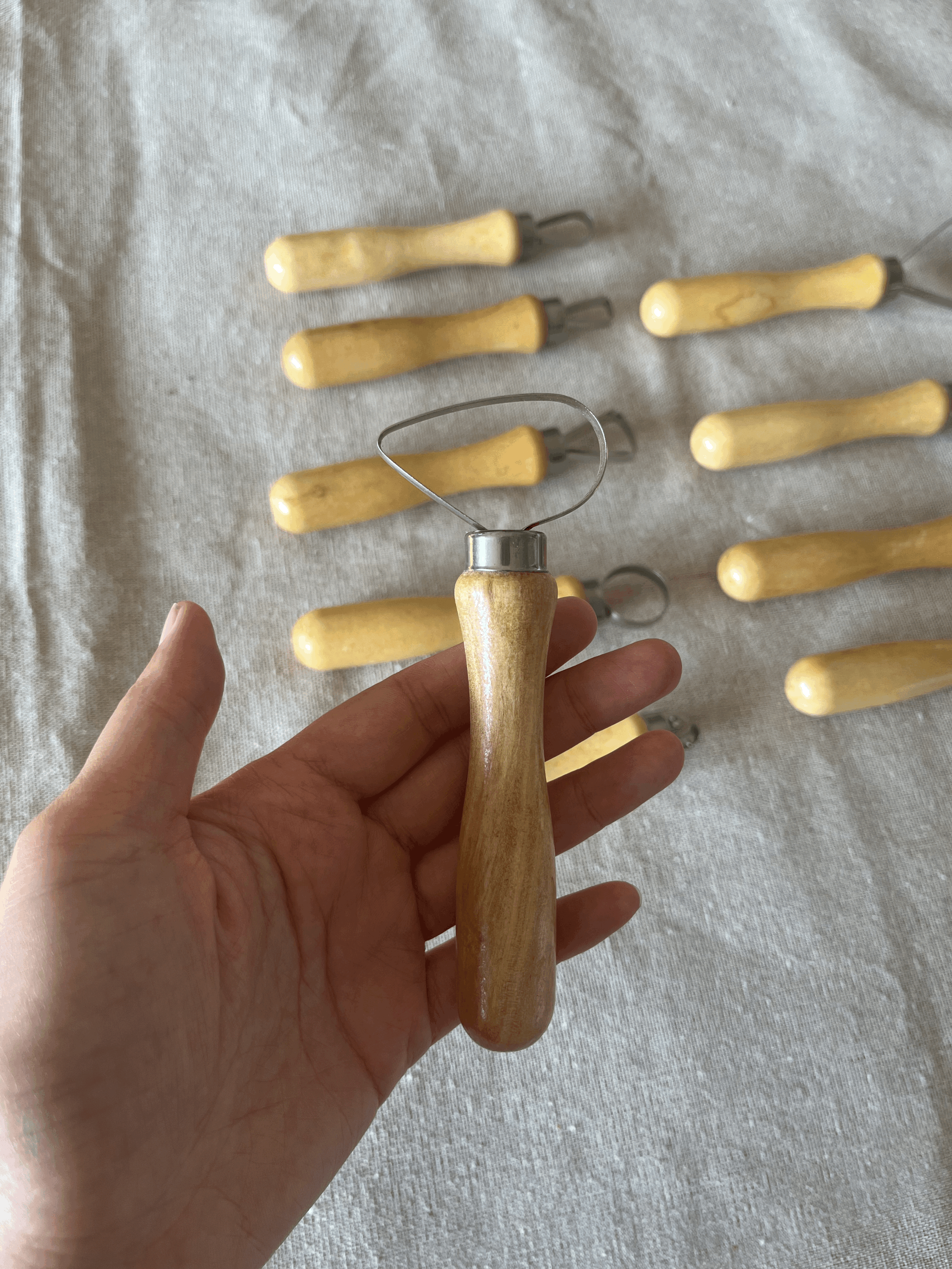

This 10-piece loop tool set features a variety of metal blade shapes designed for trimming, carving, and refining ceramic forms. Each tool includes a smooth, natural wood handle for comfortable use, making it an essential companion for hand-building and wheel-thrown pottery work.
Features:
Length: Each tool measures approximately 14cm — compact and easy to handle
Variety of Shapes: Includes 10 distinct loop heads to suit different trimming and detailing needs
Natural Wooden Handle: Solid wood grips offer a warm, ergonomic feel and long-lasting durability
Applications: Ideal for trimming, shaping, refining edges, carving lines, or creating textural detail

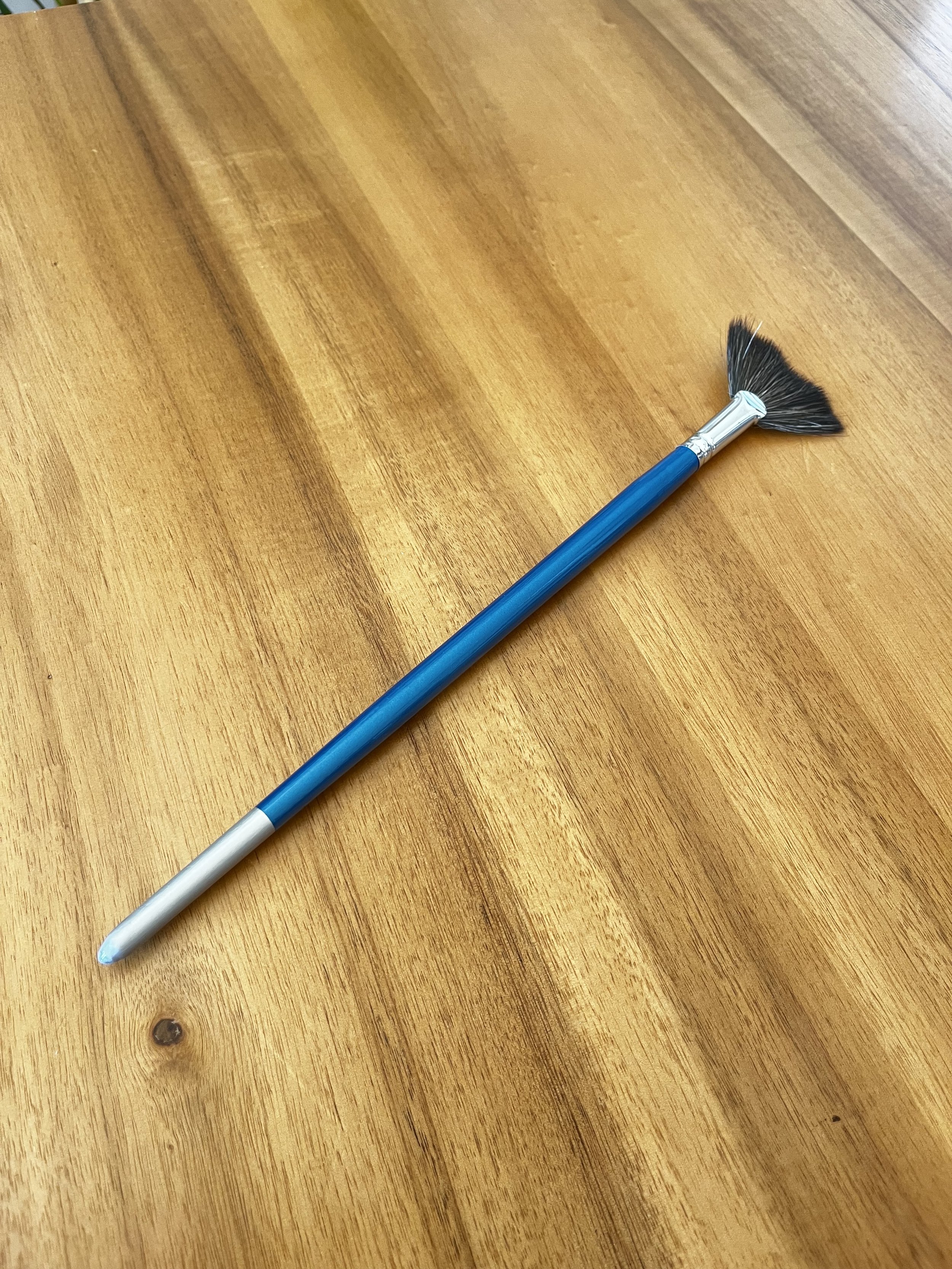
Material: Blend of soft mink hair and nylon fibers
Size: Approximately 30 cm in length
Usage: Ideal for applying glaze over large areas in ceramics; can also be used for dusting off clay debris or delicate surfaces.
Features:
Very soft and flexible
Excellent for smooth, even application
Durable and not prone to shedding
Perfect for sensitive surfaces without scratching


Contents: Two tubes (A and B components)
Usage: For repairing ceramic works, pottery, metals, and more.
Instructions:
Mix A and B at a 2:1 ratio (2 parts A, 1 part B).
Apply mixed glue to clean, dry surfaces.
Initial setting occurs within 1–3 hours; fully cured after 24 hours.
For best results, operate in 15–25°C temperature.
Features: Strong bonding, clear after curing, suitable for delicate repair tasks.


This high-quality sanding cloth is specially designed for dry sanding in ceramics, ideal for surface refinement before bisque firing.
Measuring approximately 20cm × 12.5cm with a thickness of 0.8–0.9cm, it offers excellent durability and a soft touch, making it comfortable to use.
A must-have tool for artists working with Nerikomi and other intricate ceramic techniques, helping achieve smooth, polished surfaces.
Material: Fiber sanding cloth
Size: Approx. 20cm × 12.5cm × 0.8–0.9cm
Usage: Dry sanding before bisque firing, surface refinement, detail smoothing
Features: Soft yet durable, provides even sanding, perfect for fine ceramic work like Nerikomi

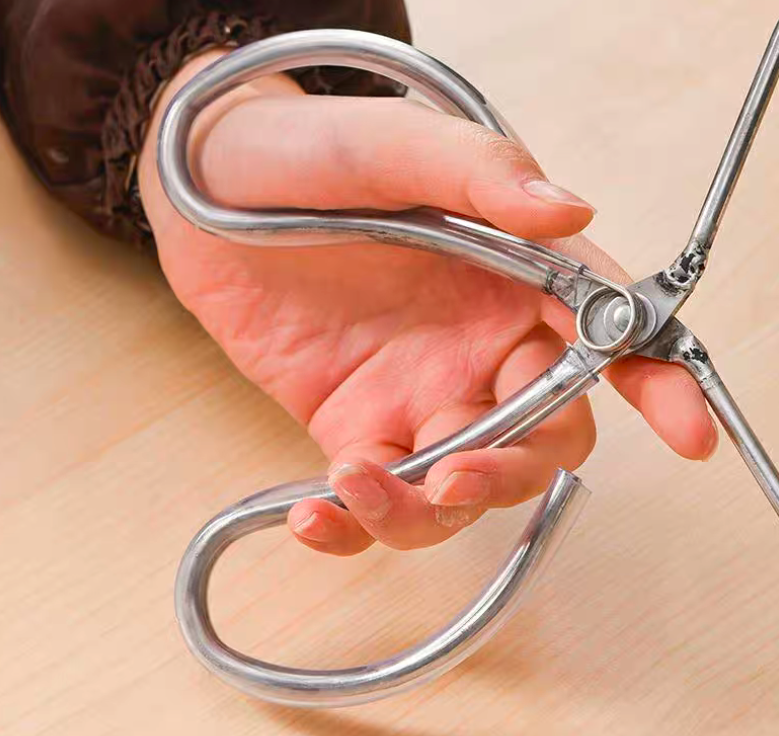


Crafted from high-quality stainless steel, these glaze tongs are strong, rust-resistant, and specially designed for dipping and glazing deep vessels like plates, bowls, and mugs.
The cross-support structure ensures stable gripping of various shapes and sizes.
Ergonomically designed handles provide a comfortable grip and easy control, making your glazing process smoother and more efficient.
Material: Stainless steel
Size: 39.6cm x 13.6cm x 11cm
Use: For dipping and glazing bowls, plates, cups, and other deep vessels
Features: Corrosion-resistant, rustproof, firm grip, user-friendly


Made from electroplated carbon steel and weighing just 24g, this lightweight yet durable trimming tool is perfect for refining both wet and dry clay forms.
Featuring two differently shaped ends, it allows for versatile trimming and detailed finishing.
The streamlined design ensures a comfortable grip and smooth, controlled movements.
Material: Electroplated carbon steel
Weight: 24g
Dual-ended for versatile use
Suitable for wet and dry clay trimming
Rust-resistant and highly durable


This versatile shaping tool, made from high-quality acrylic (有机玻璃), is designed for teapot artisans. Its smooth, durable surface allows you to precisely form spouts without damaging the delicate clay.
Additionally, the pointed end is ideal for polishing and refining teapot filter holes, ensuring a clean, professional finish.
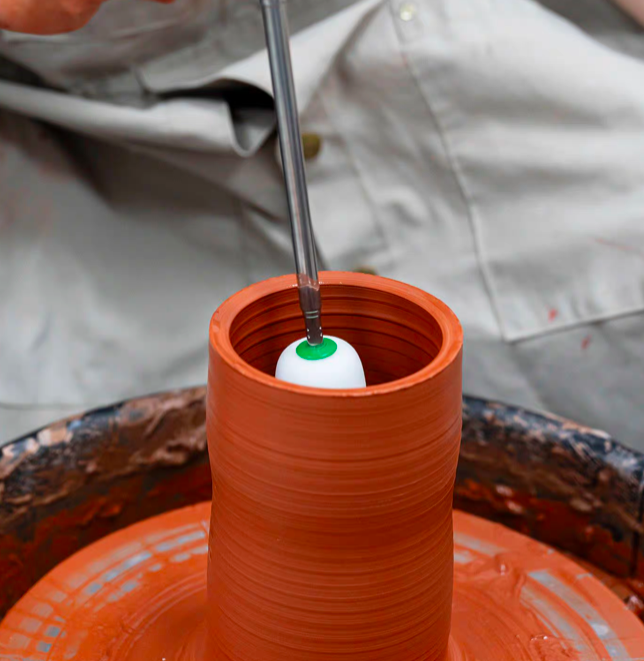


This extendable sponge stick is specially designed for ceramic artists working with tall or large pottery forms. The soft sponge head absorbs excess water from the inside of vessels during the throwing process, helping to maintain the strength and stability of the walls. Featuring a lightweight handle and adjustable length, it offers excellent reach and control without disturbing your work. A must-have tool for large-scale wheel throwing!
Dimensions:
Total length: 23 cm
Sponge width: 2 cm


This precision trimming tool features a durable tungsten carbide blade, known for its exceptional hardness and long-lasting sharpness. Designed with a lightweight, ergonomic handle for comfortable use, it is perfect for fine detailing, carving, and shaping in ceramics and other craft work.
Comes in a protective case to keep the blade safe and secure. Ideal for trimming leather-hard clay or beyond that state. (wet and dry trimming)working on other delicate materials that require a sharp, sturdy edge.
The head size can be seen in photo.
Care Instructions:
Gently wipe the blade with a wet sponge to remove clay or dust after use. Avoid rinsing or soaking the tool in water, as this can dull the blade and reduce its sharpness over time. Proper care will ensure long-lasting performance and maintain the precision of the tungsten carbide edge.


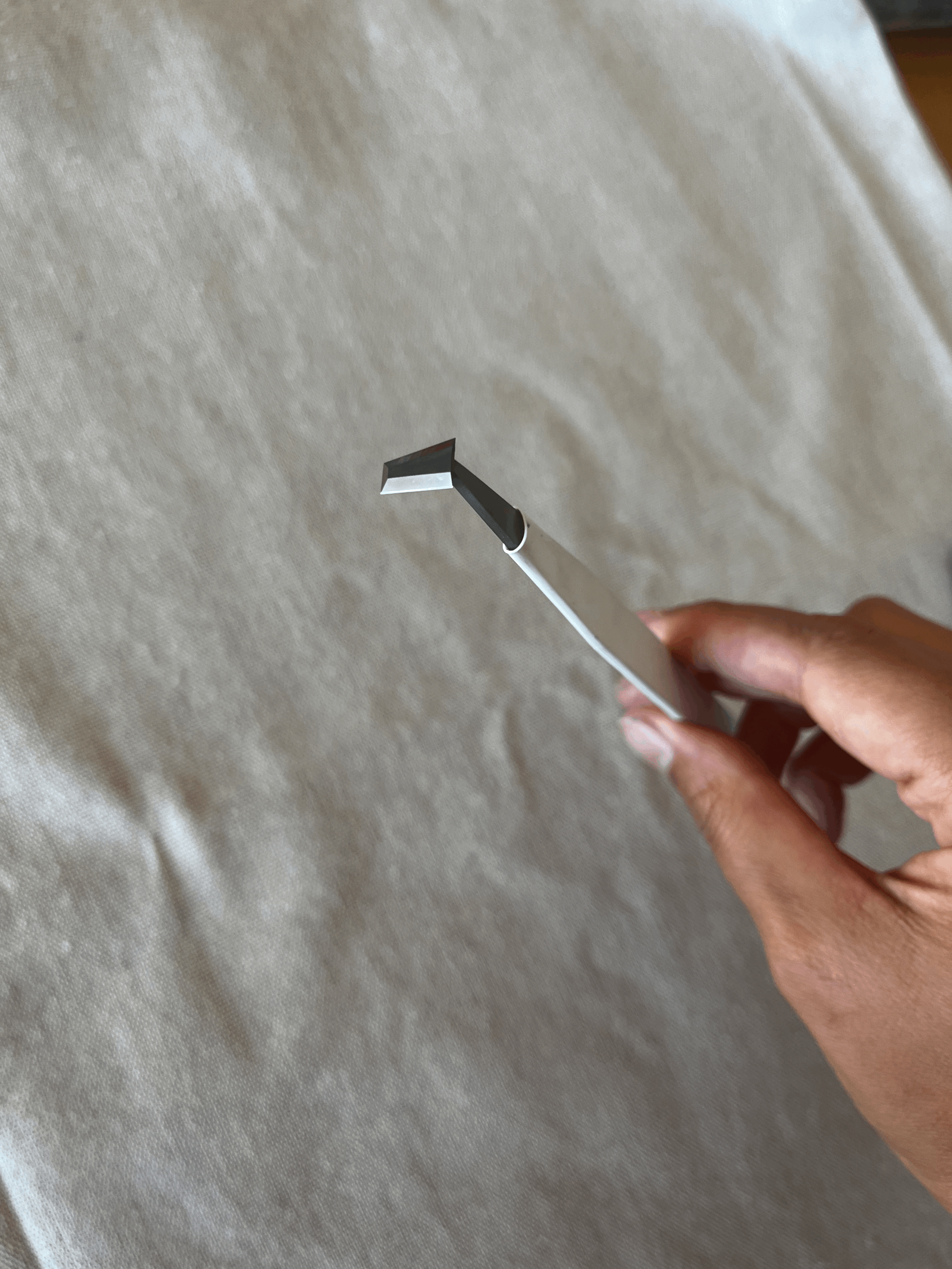
This precision trimming tool features a durable tungsten carbide blade, known for its exceptional hardness and long-lasting sharpness. Designed with a lightweight, ergonomic handle for comfortable use, it is perfect for fine detailing, carving, and shaping in ceramics and other craft work.
Comes in a protective case to keep the blade safe and secure. Ideal for trimming leather-hard clay or beyond that state. (wet and dry trimming)working on other delicate materials that require a sharp, sturdy edge.
The head size can be seen in photo.


Crafted from durable stainless steel, this double-headed trimming tool features two serrated loop ends—one round and one triangular—designed for precision work on leather-hard or drier clay. The finely serrated edges provide enhanced grip and control, allowing for clean, expressive lines during carving, shaping, and detail refining.
Each head can be used on both the serrated and smooth sides, making it highly versatile—especially effective for trimming curved forms or working in tight contours.
Perfect for potters who value control and efficiency in their trimming process.


Scoring:
The needle tool is great for scoring clay, particularly when you need to join two pieces together (such as when adding handles or joining slabs). It creates fine, controlled scratches on the surface, allowing for better adhesion when you apply slip.
Carving and Detailing:
The sharp, precise point of a needle tool is excellent for carving intricate designs or patterns into clay, especially when the clay is at a leather-hard or bisque-fired stage.
It can also be used for etching fine lines or creating details in decorative pottery or sculpture.
Trimming:
Needle tools can be used for trimming excess clay, particularly in delicate areas or for shaping fine details like rims, handles, or spouts. It's especially helpful for working on smaller or more intricate projects.
Puncturing and Marking:
The needle tool can be used to poke holes in the clay, which is sometimes necessary for creating drainage holes in pots or making small ventilation holes for firing.
It can also be used for marking where to cut or for creating textures or patterns in the surface of the clay.
Texturing:
The tool can create unique textures or effects by pressing it into soft or leather-hard clay, which is useful in decorative pottery and sculptures.
Opening Air Pockets:
Sometimes, air pockets can form within clay, and the needle tool can be used to gently release trapped air before firing.


This long, split-leg denim apron is both practical and stylish. The neck strap is adjustable for a comfortable fit. It features two large pockets on the chest, several small pockets, and extra side pockets perfect for holding tools. Ideal for pottery, ceramics, or any creative work — keeping you organized while looking great.


This durable tool bag is made from canvas fabric and designed to keep your tools organized and protected. It offers plenty of slots and flexible spaces for storing a variety of ceramic tools, brushes, carving pens, and more. Lightweight and easy to roll up, it's perfect for artists on the go or for keeping your studio tidy. The sturdy strap ensures it stays securely closed during transport.
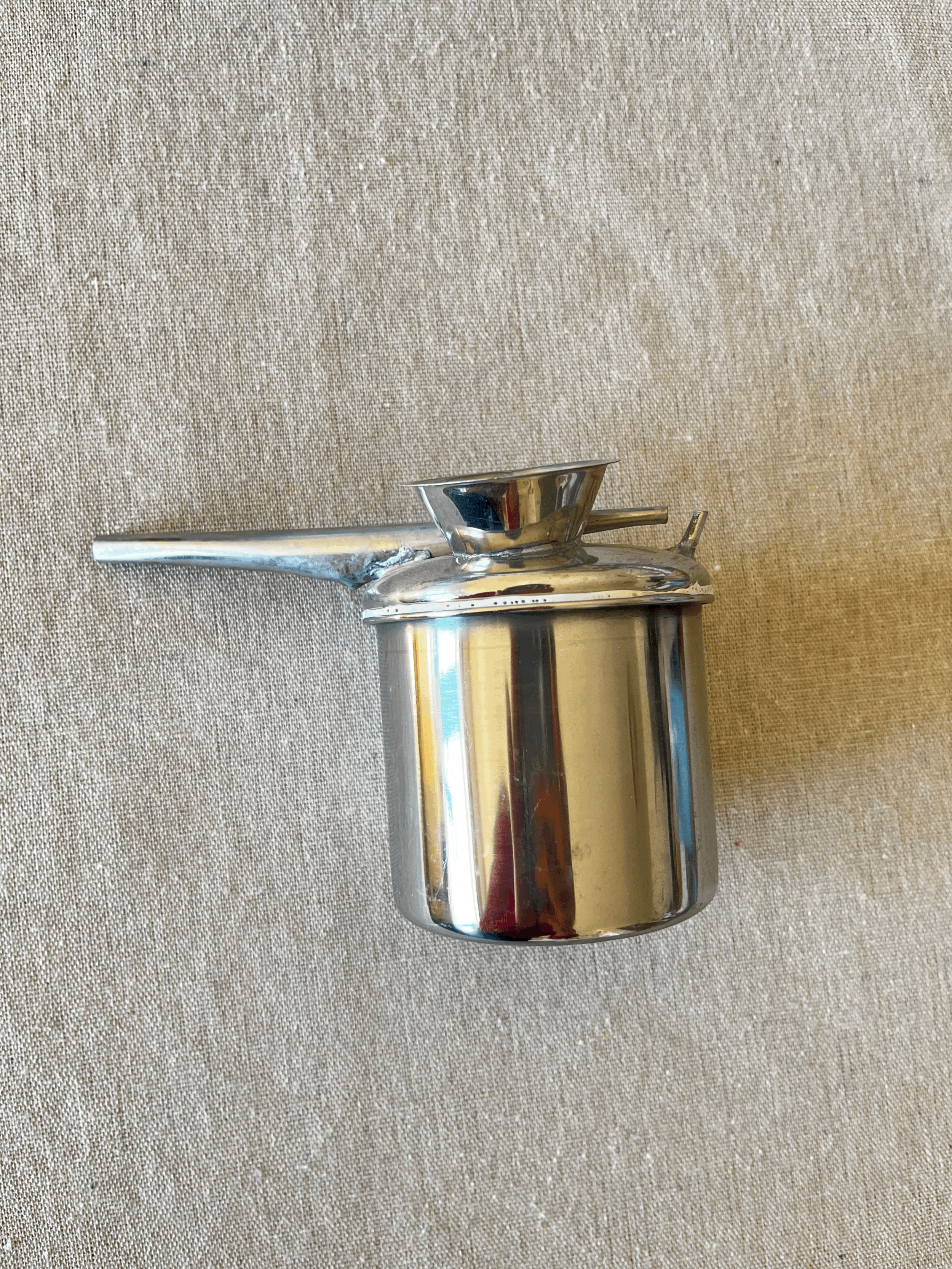
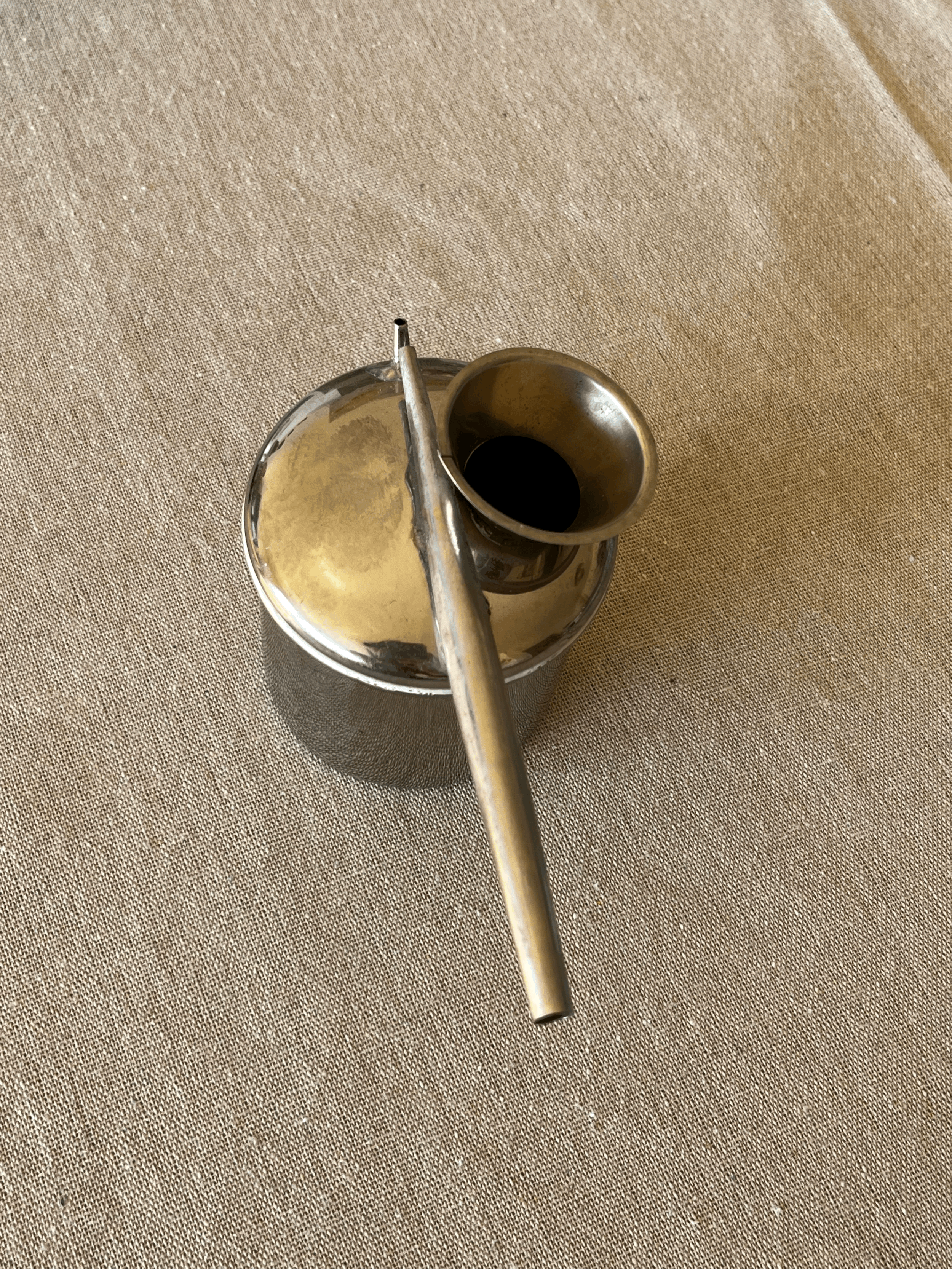
This 200ml glaze sprayer is perfect for evenly applying glaze onto your ceramic pieces.
You can use it manually by blowing air through the nozzle to spray the glaze, or connect it to an air pup for an easier, more continuous spray.
It's ideal for achieving smooth, even glaze layers, especially on delicate or detailed surfaces.
Lightweight and easy to handle — a great tool for both beginners and professional potters!
Please remember to empty any leftover glaze after use to avoid clogging the sprayer nozzle.
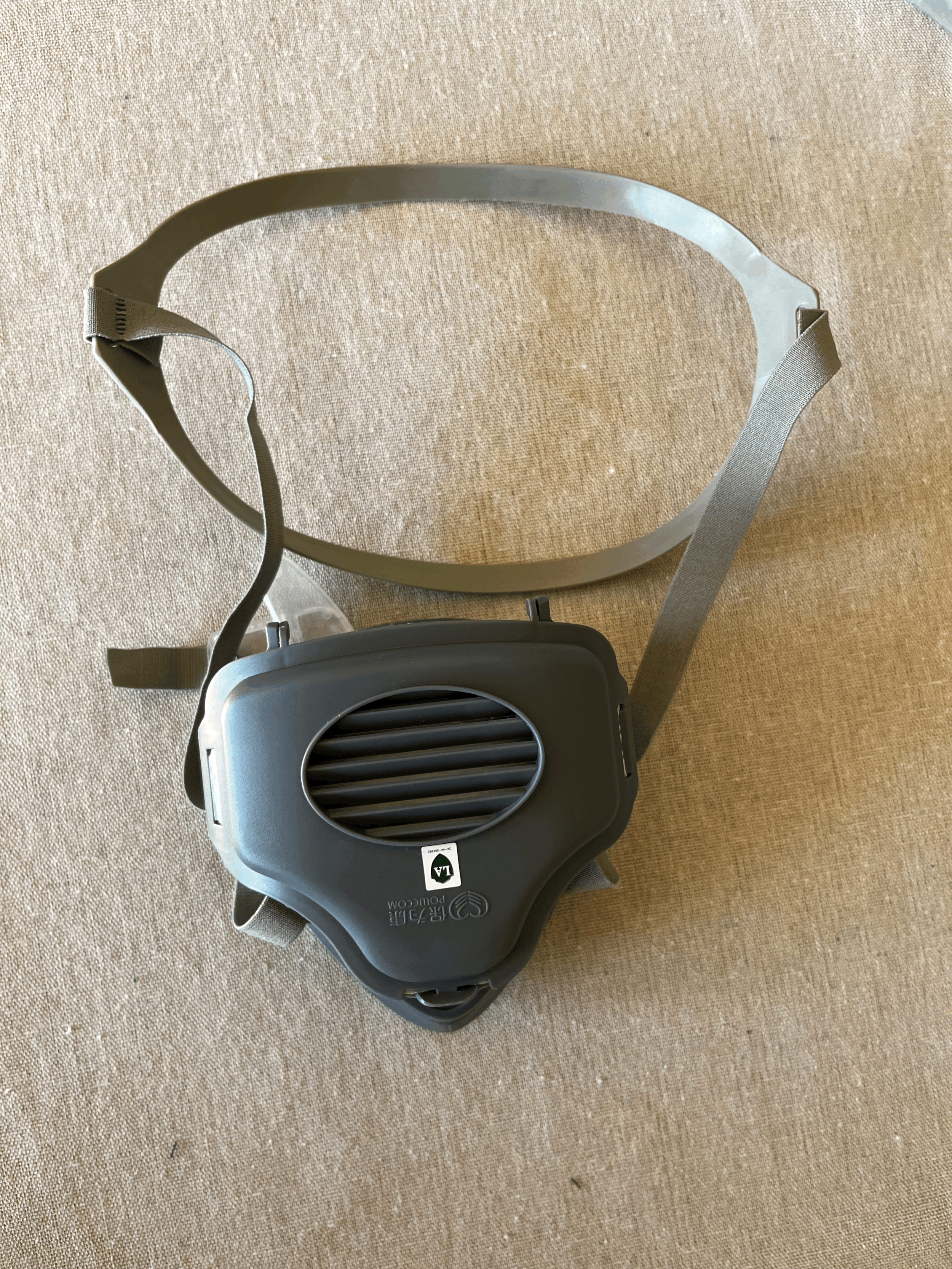


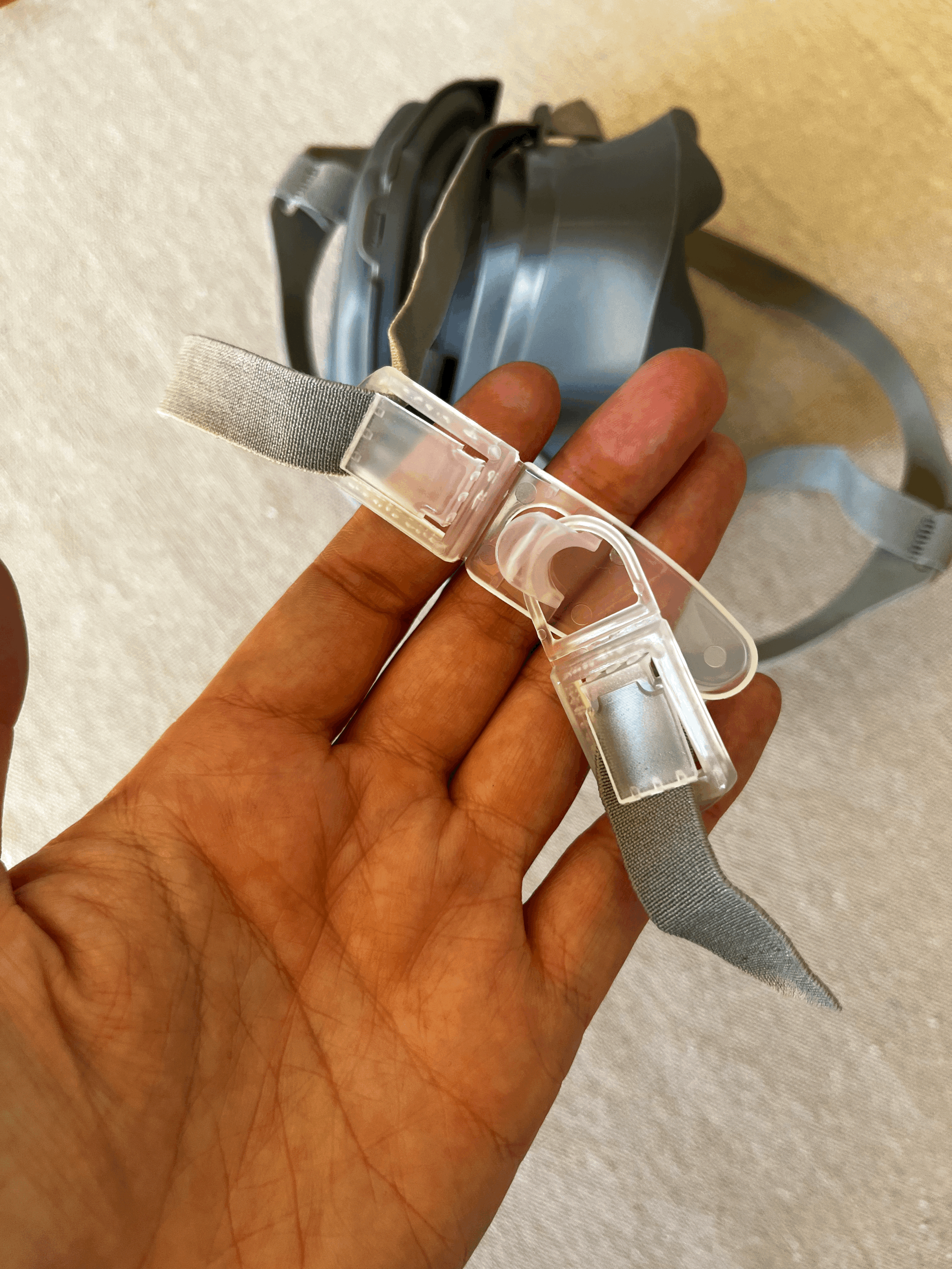
This dust protection mask is designed to keep you safe while working with clay and glaze materials.
Ideal for wearing during glazing, mixing glazes, and dry trimming, it effectively helps filter out fine dust particles that can be harmful when inhaled.
The mask features a comfortable fit, good breathability, and easy-to-replace filters, allowing you to work safely and focus on your craft.
An essential piece of safety gear for every potter who cares about protecting their health in the studio.


This versatile ceramic carving tool is made from high-quality wood and features soft sponge grips for extra comfort during long working sessions.
Designed for precision and ease of use, it’s perfect for signing, drawing, carving, and even punching small holes in clay.
The dual-ended design offers different tips for more creative flexibility, while the lightweight feel reduces hand fatigue — making it an essential tool for both beginners and professional potters.


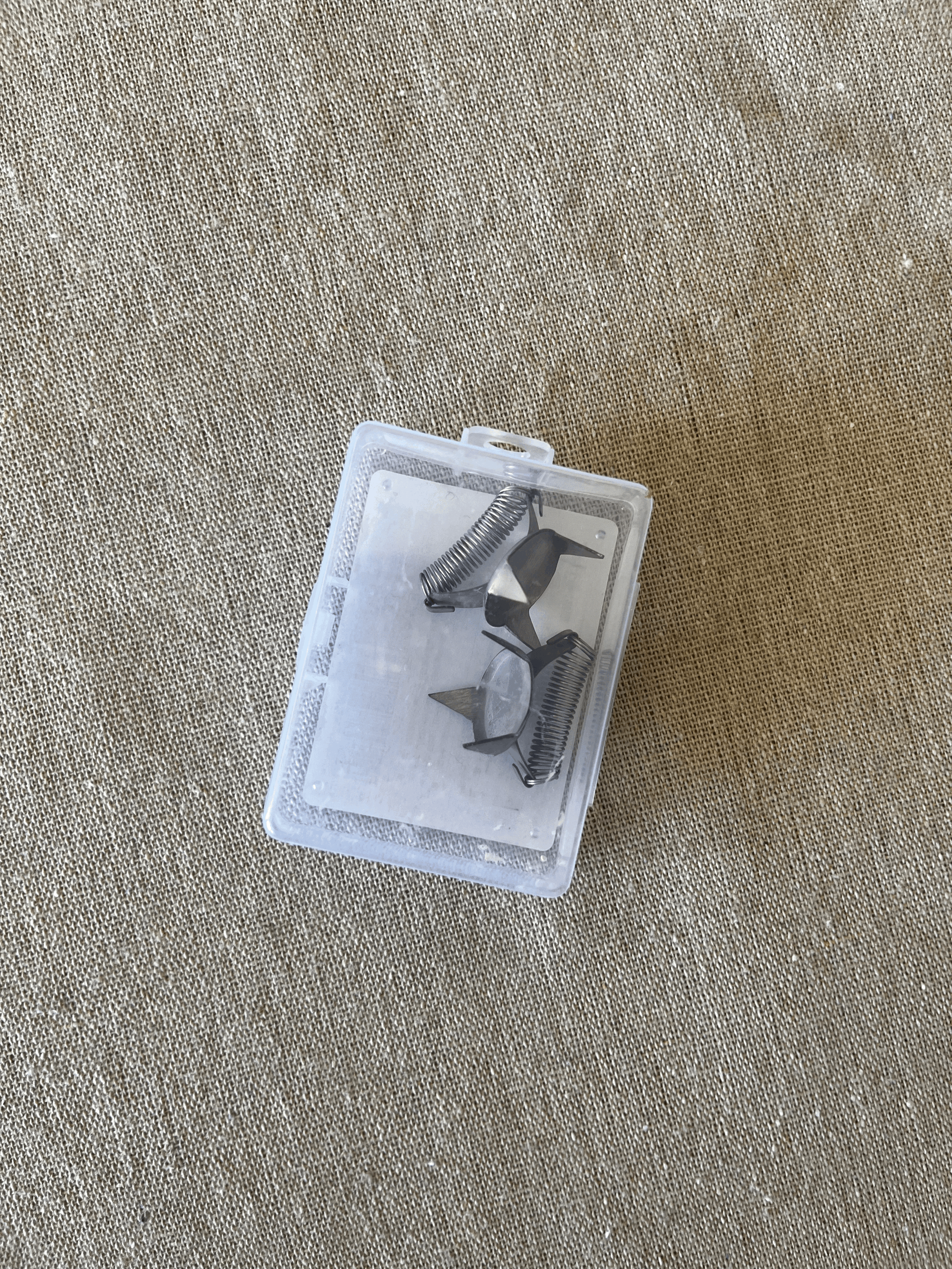
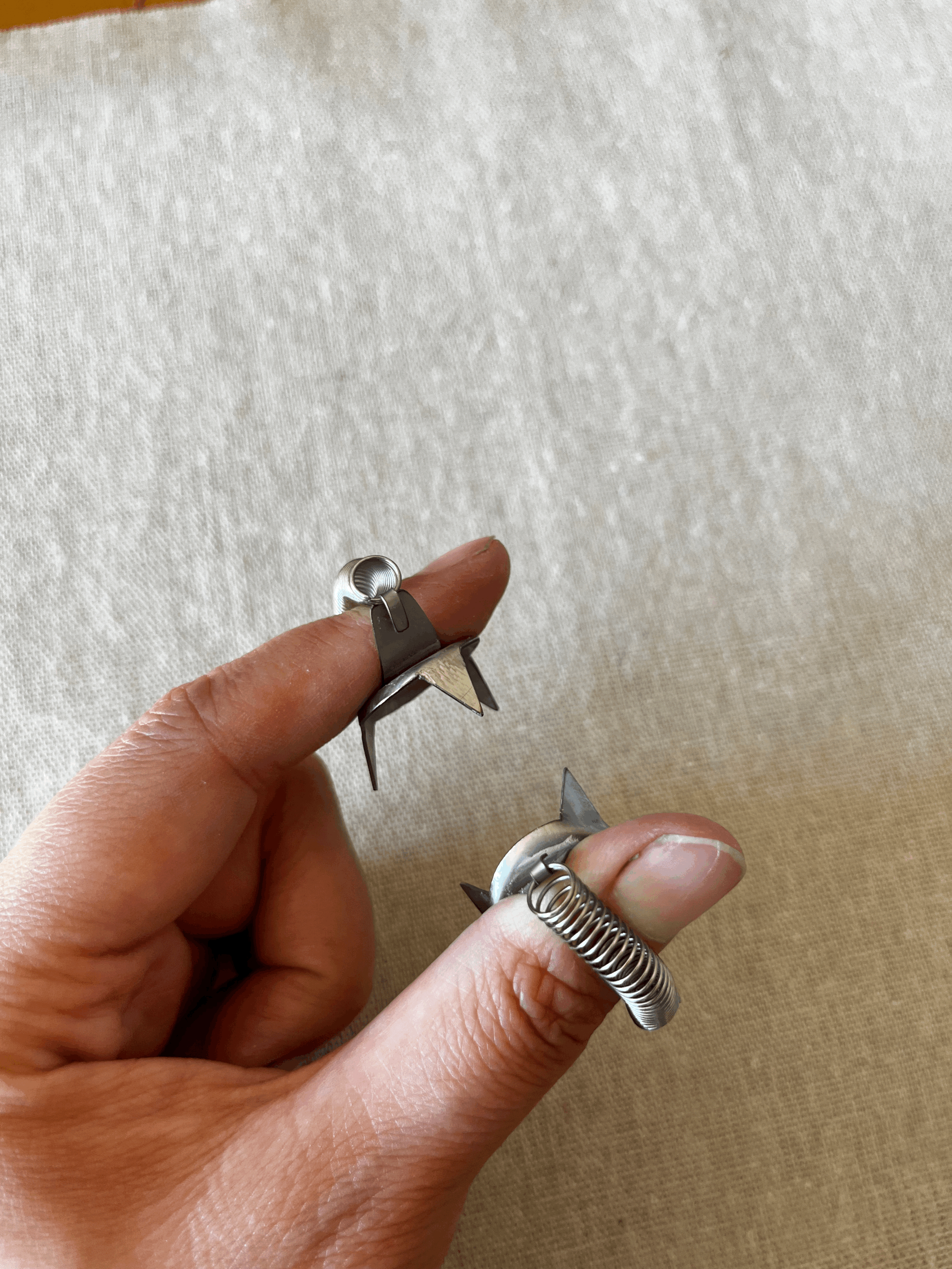
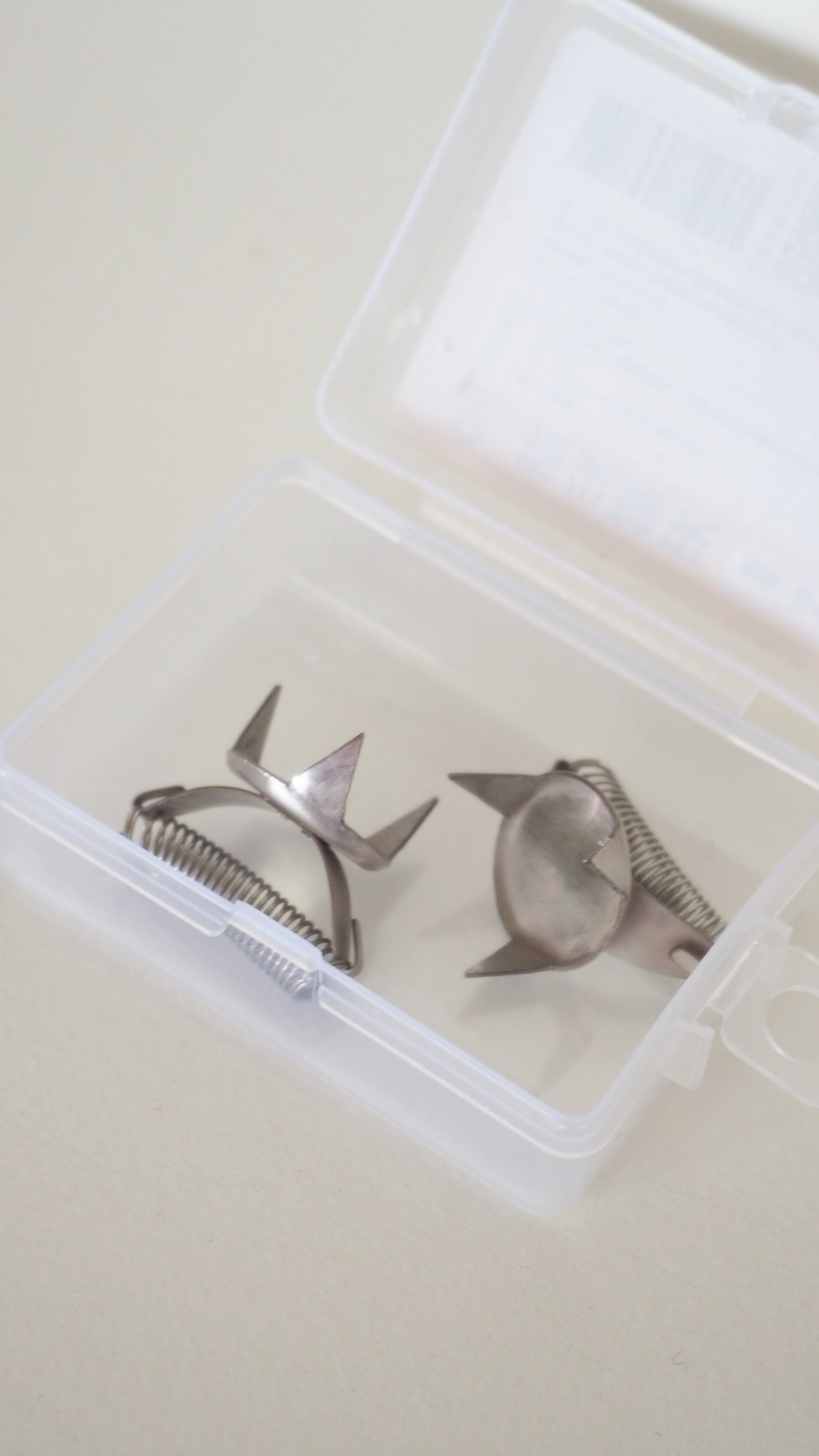
This set of finger tongs comes neatly packed in a case and is designed to be worn on your thumb and index finger. They allow you to securely clip and hold your pieces during glazing.
Please remember to wash your hands immediately after glazing, as dry glaze dust can be very toxic if inhaled or left on the skin.
Perfect for both beginners and experienced potters who want more control.


Protect your fingers while trimming and shaping!
one size only, 5 per pack.
These flexible finger gloves are designed to shield your skin from rubbing, irritation, and open wounds caused by repeated contact with clay and trimming tools.
Made from soft, durable material, they fit snugly without limiting your movement, allowing you to work comfortably and safely for longer sessions.
Perfect for potters who want to focus on their craft without worrying about painful cuts or blisters.
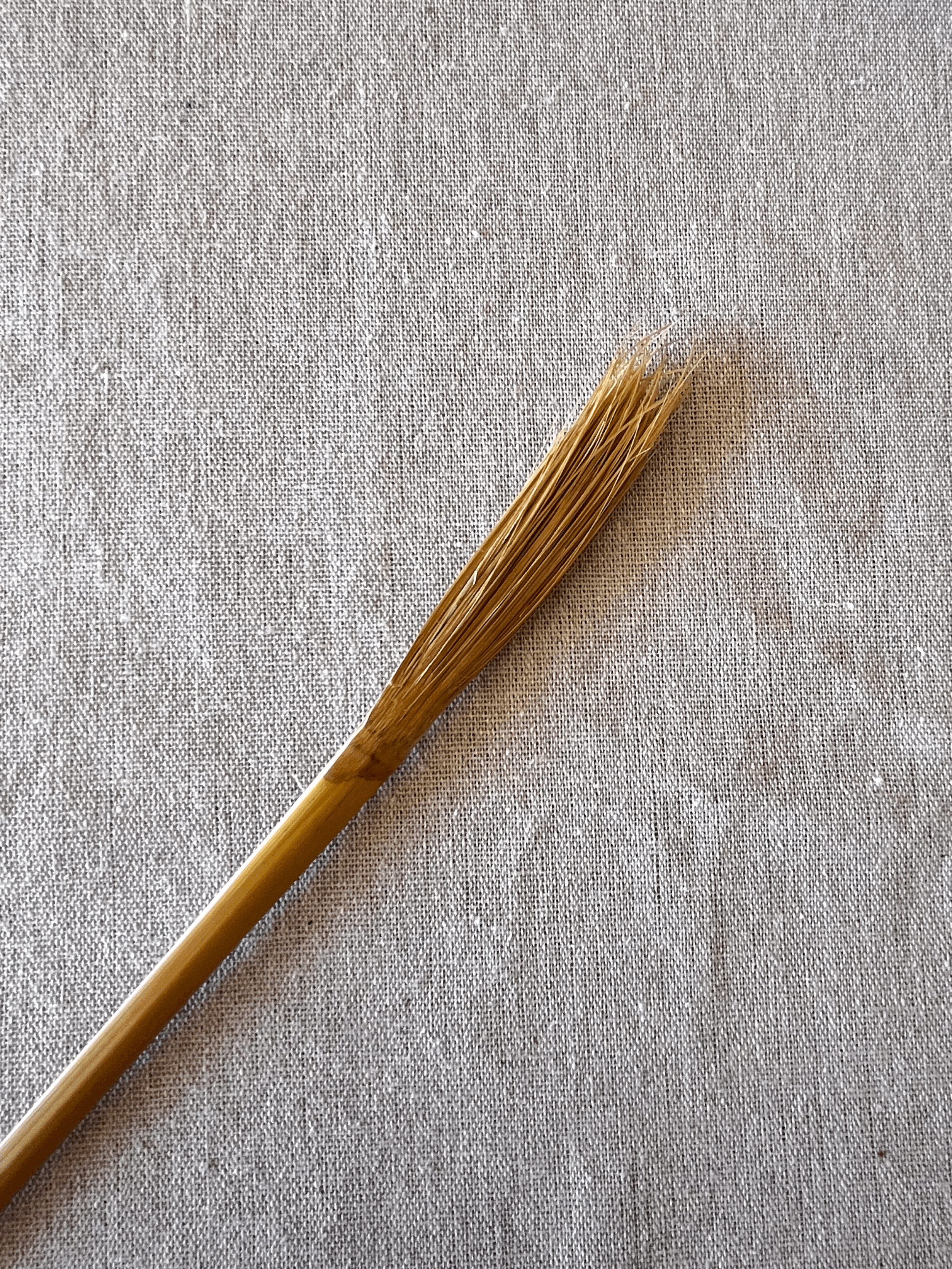

This is a handmade brush crafted from the fibers of bamboo.
The length is 27cm.
Brushes like these are traditionally used in pottery, particularly in the hakeme technique, which involves applying slip to the surface of clay to create textured patterns. The natural bristles make it ideal for adding organic and flowing textures to ceramic surfaces.
This is a very limited stock. It might be discontinue in the future.


This set includes 5 beautifully crafted wooden ribs, perfect for shaping, smoothing, and refining your clay work.
The variety of shapes in the set gives you flexibility for working on different forms — from soft curves to sharper angles.
Lightweight, strong, and designed to feel natural in your hand, these wooden ribs are essential tools for both beginner and professional potters.

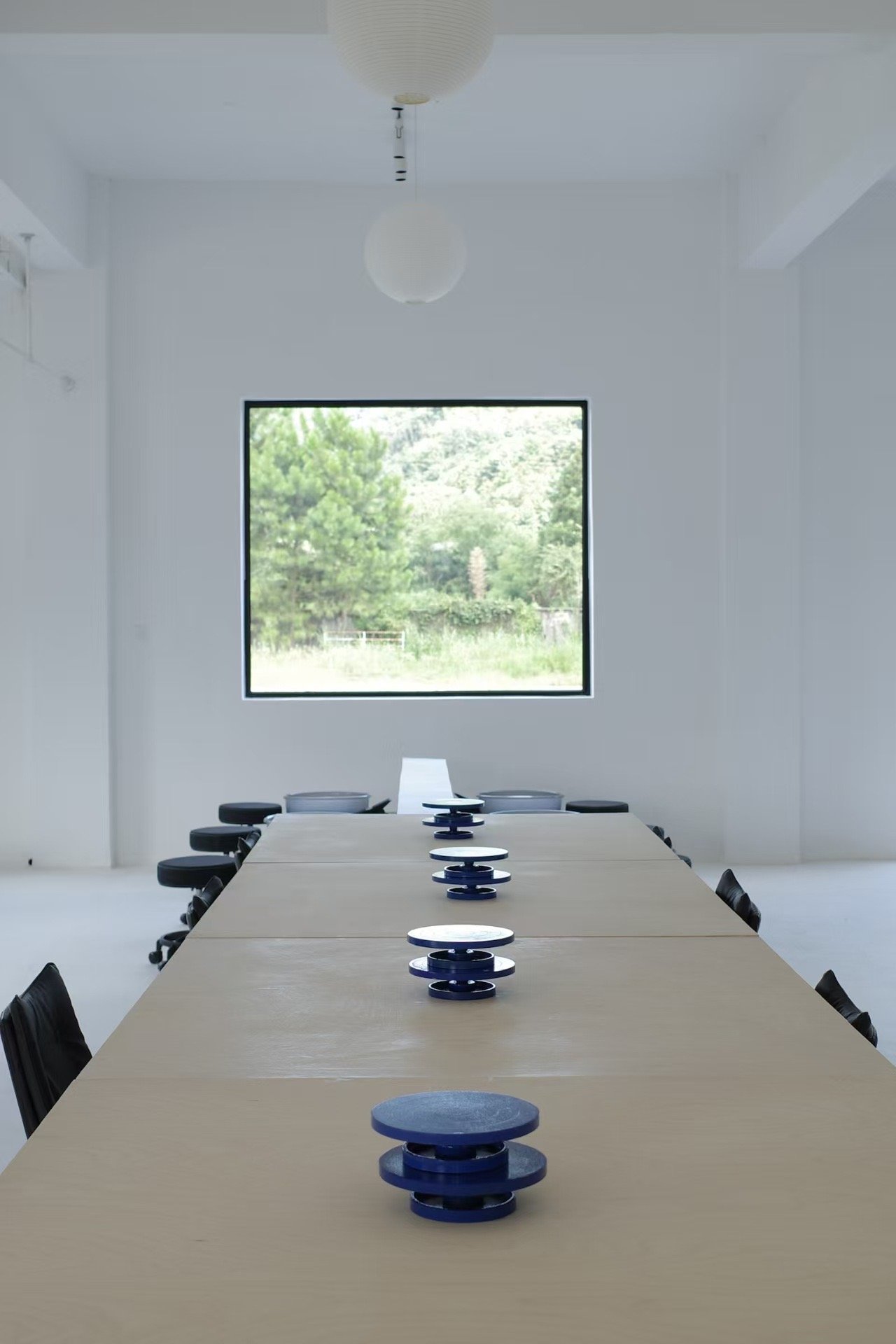
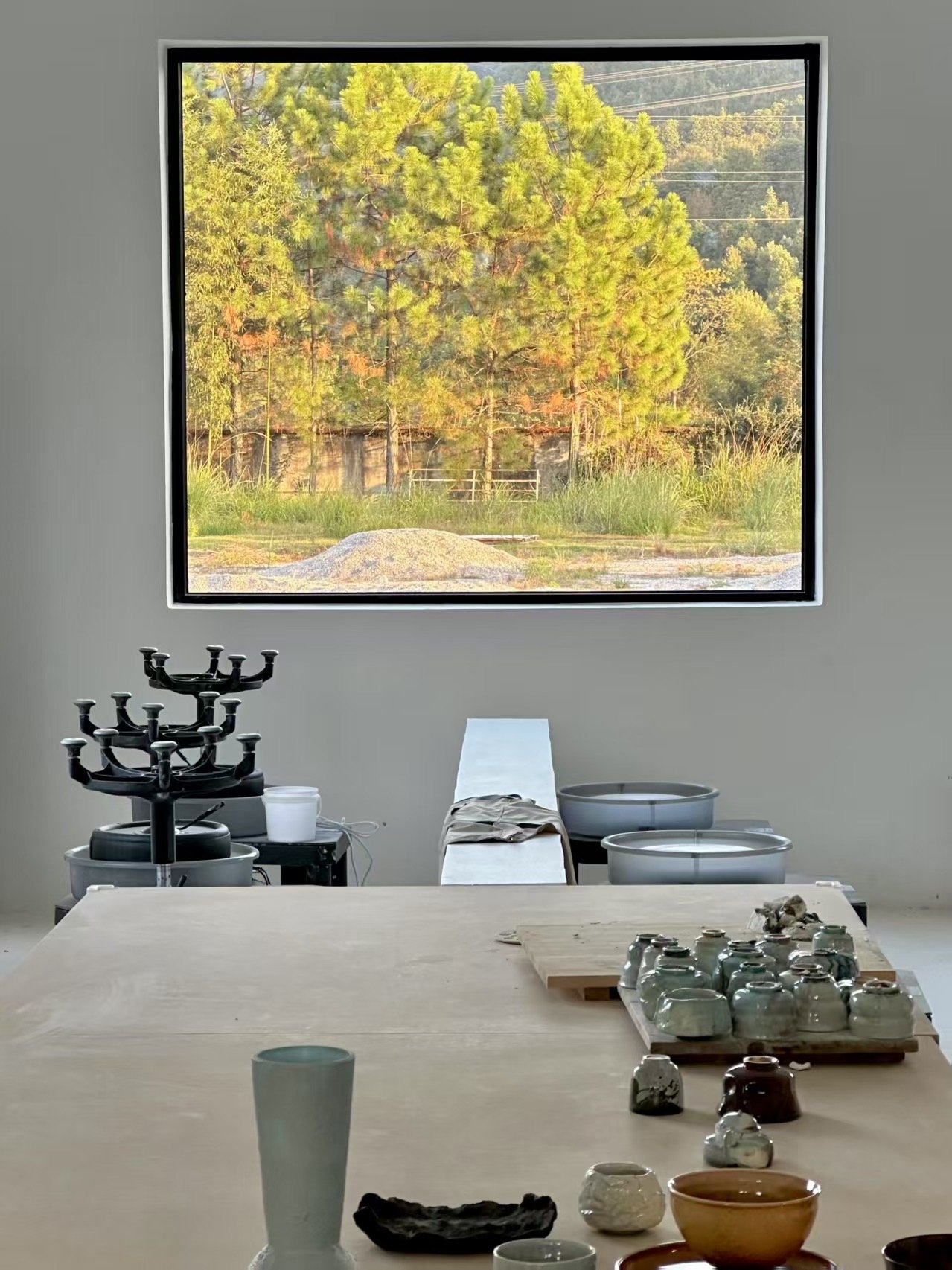



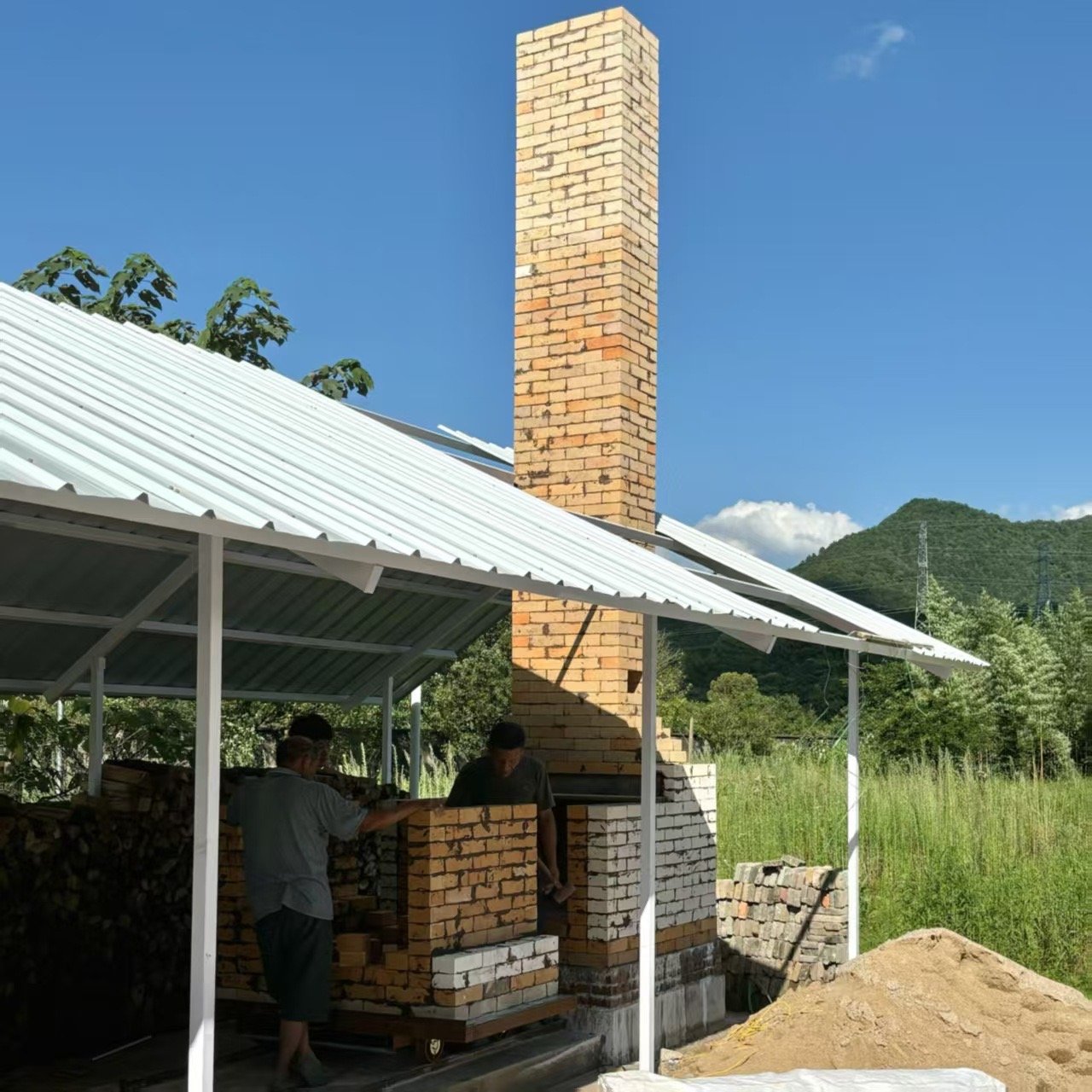




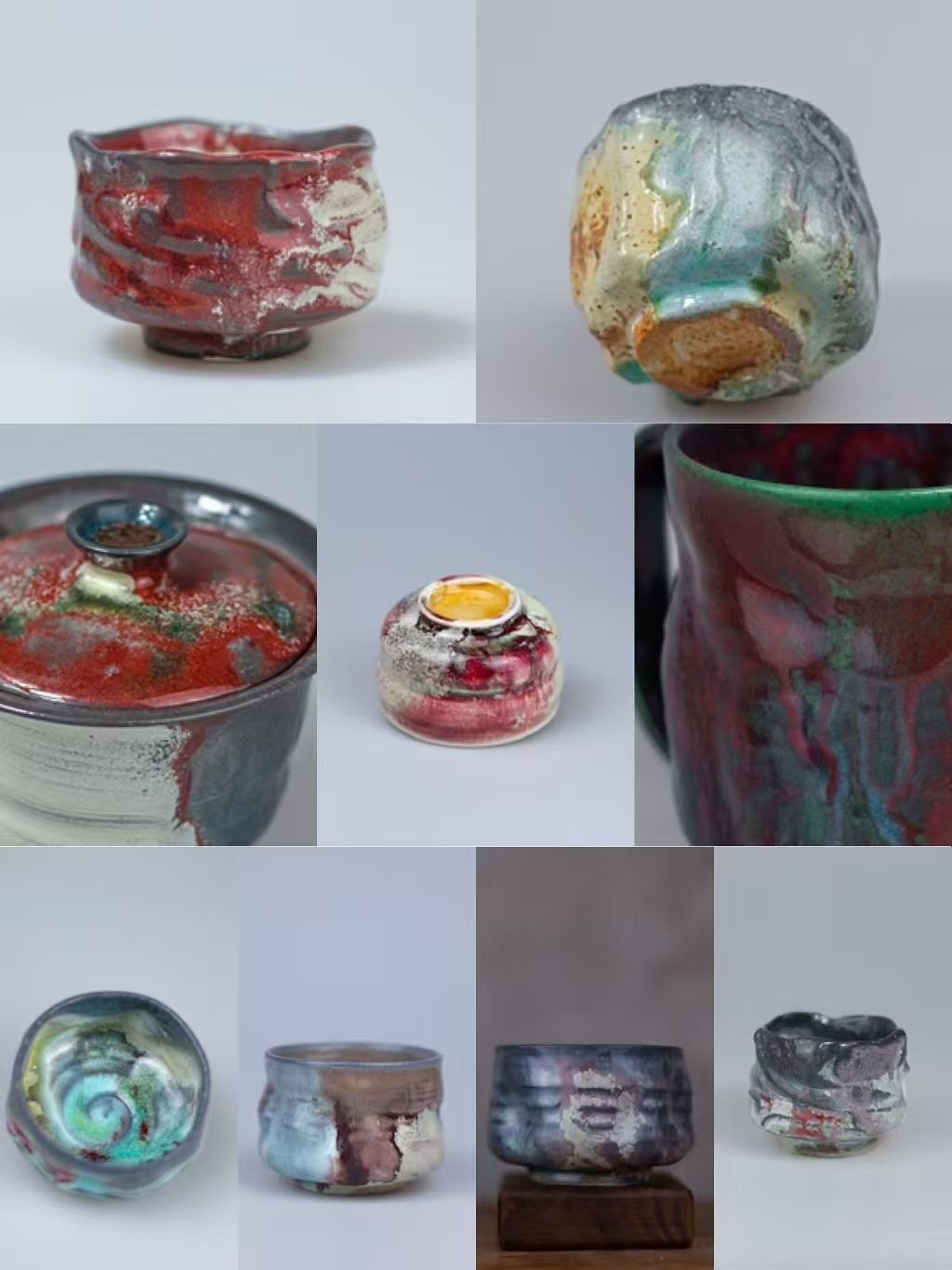
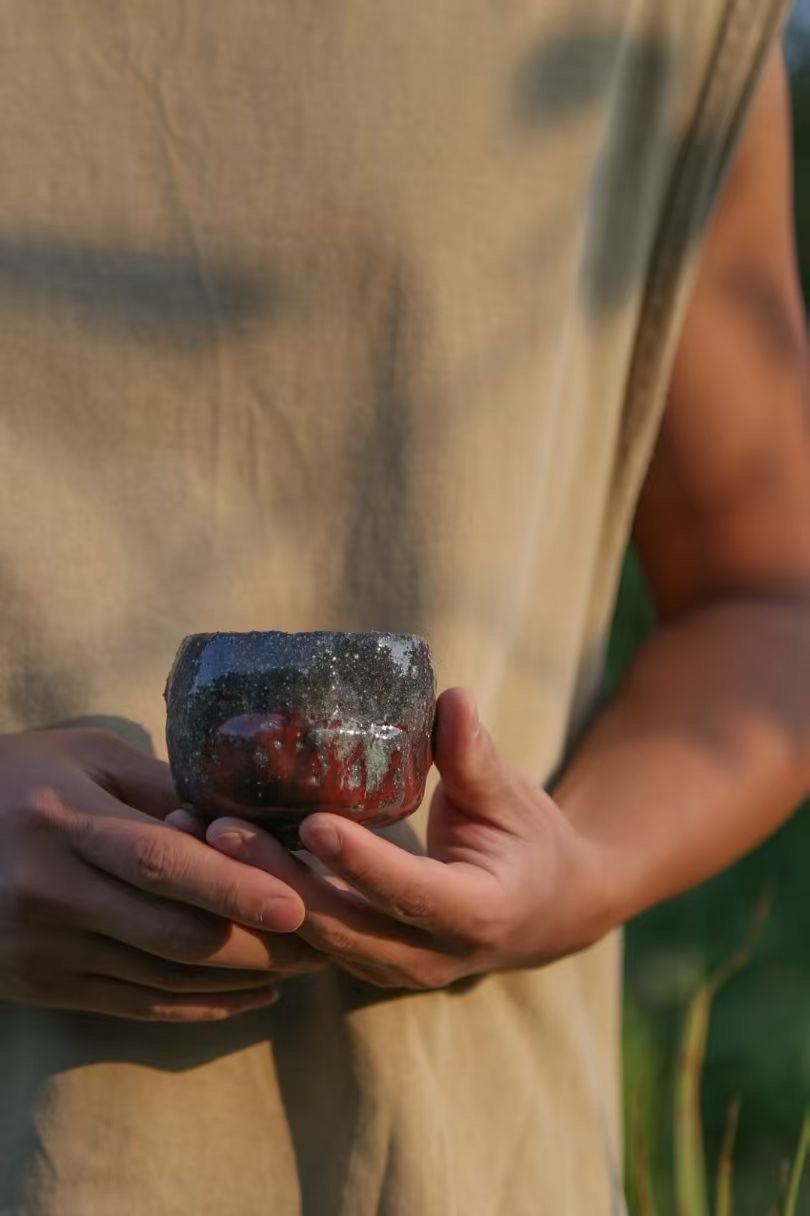
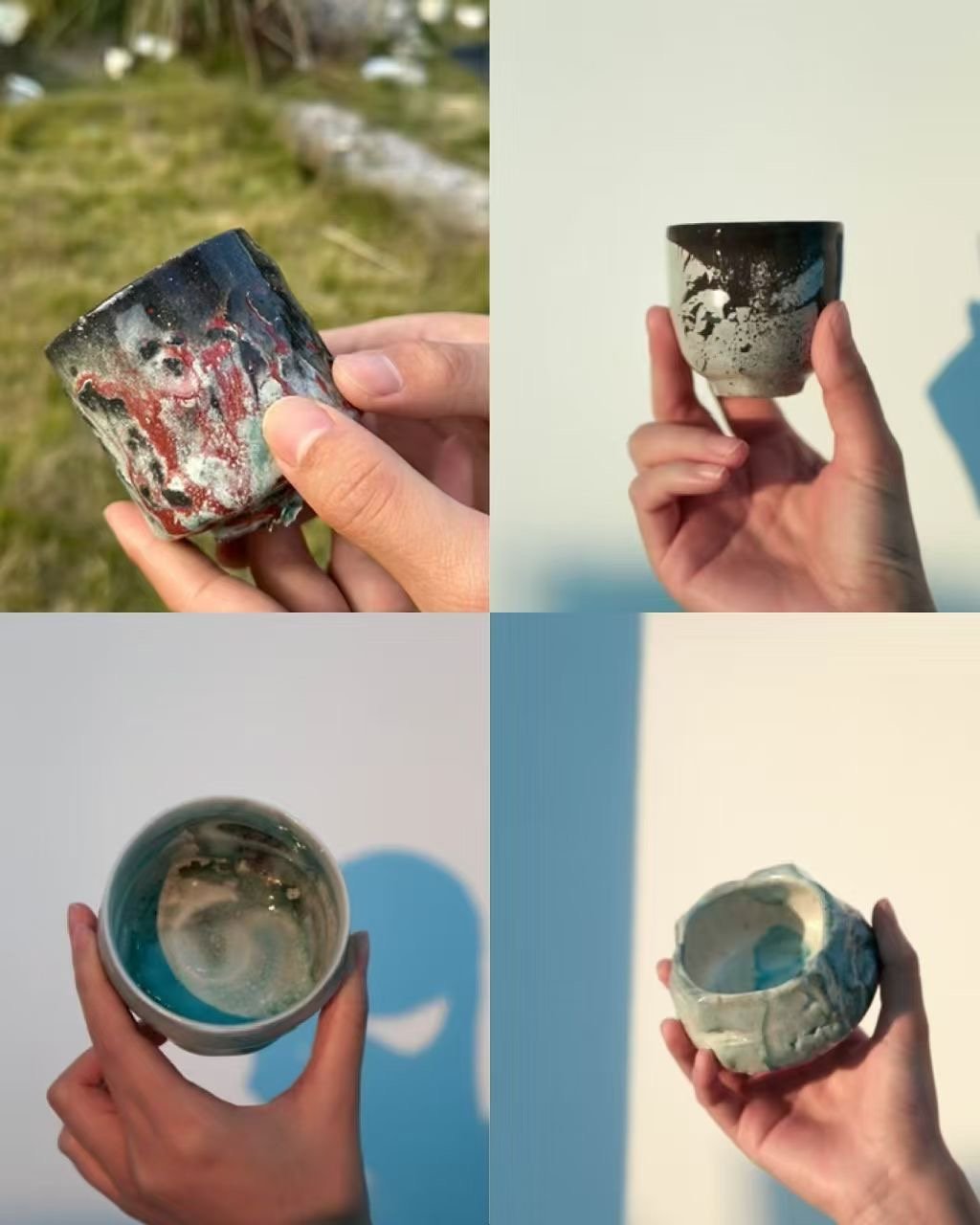


✨Join me for a 7-day Wood Firing Pottery Retreat in Jingdezhen, China, where you’ll explore traditional Chinese ceramics, Qinghua painting, and wood firing in a breathtaking mountain setting. Immerse yourself in hands-on learning, enjoy home-cooked meals, 24/7 studio access, and experience pottery-making where it all began!
✨After Booking:
Once your booking is confirmed, you’ll receive a short survey to help us prepare for your arrival.
We’ll ask about your food preferences, dietary restrictions, and your pottery experience level—so we can make the retreat as smooth and personalized as possible!


This set includes five precision stainless steel hole punchers, perfect for creating small, clean holes in clay teapots during the making process.
Each puncher is crafted from durable stainless steel with different diameters to fit various design needs — from fine filter holes to slightly larger openings.
Material: Stainless steel
Set includes five sizes:
Diameter 8mm
Diameter 6mm
Diameter 4mm
Diameter 3mm
Diameter 2mm
Ideal for teapot filter making and delicate ceramic work
Sharp, durable, and easy to clean


A banding wheel is a must-have tool for any ceramic artist. Whether you’re adding intricate designs, applying glazes, or caving your pieces, this rotating platform offers 360° access to your work, making it easier to achieve perfect symmetry and smooth finishes.
This turntable is made of aluminum. Design for long durability.
Size for small: 12cm
Size for Medium: 15cm
Size for Large: 18cm


This is a handmade brush crafted from the fibers of the palm tree.
The length is 13cm.
Brushes like these are traditionally used in pottery, particularly in the hakeme technique, which involves applying slip to the surface of clay to create textured patterns. The natural bristles make it ideal for adding organic and flowing textures to ceramic surfaces.

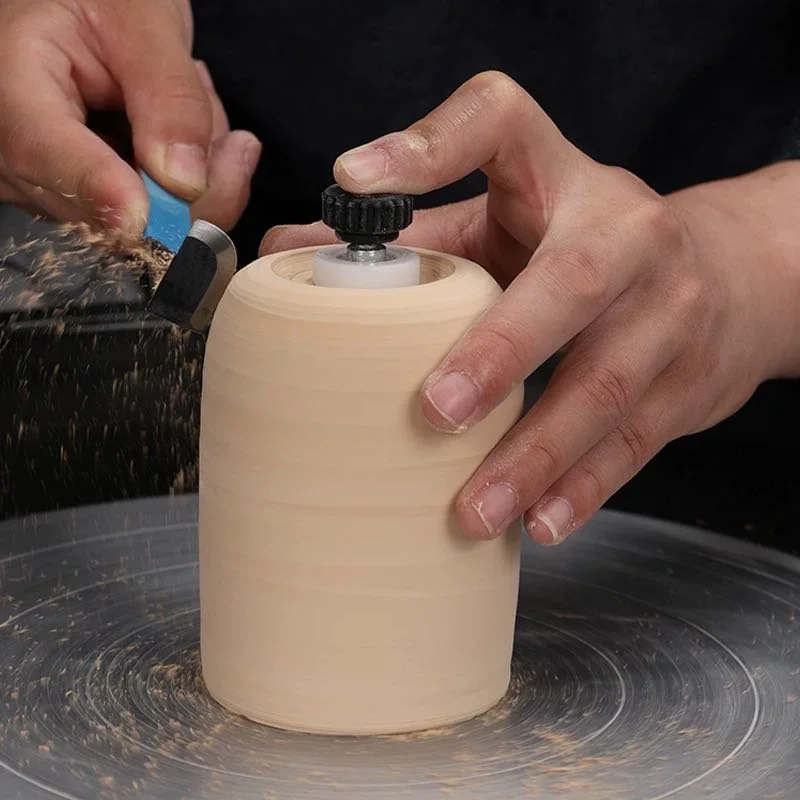

A finger spinner tool is a great addition for any potter's toolkit, particularly for those working on small or detailed pieces on the potter’s wheel. It provides extra control, helps to fine-tune the speed and symmetry of the pottery, and reduces hand strain during the throwing process. The tool is simple, lightweight, and easy to use, making it a valuable tool for precision work in ceramics.


The stainless steel tongs are an essential tool in any ceramic studio for dipping pieces into glaze, handling hot items, and ensuring clean, consistent results. By keeping your hands free from glaze and allowing for better control during the glazing process, these tongs make the task more efficient and precise. The durable stainless steel construction ensures that the tongs can withstand frequent use in a glaze environment without rusting or deteriorating.


The Circle Measurement Tool (9 cm) made of plastic is a practical and essential tool for any ceramicist who frequently works with round shapes or circles. Whether you're creating plates, bowls, or tiles, this tool provides a quick and accurate way to mark and cut precise circles. Its lightweight design and durable plastic material make it a reliable and easy-to-use tool for a variety of ceramic tasks.


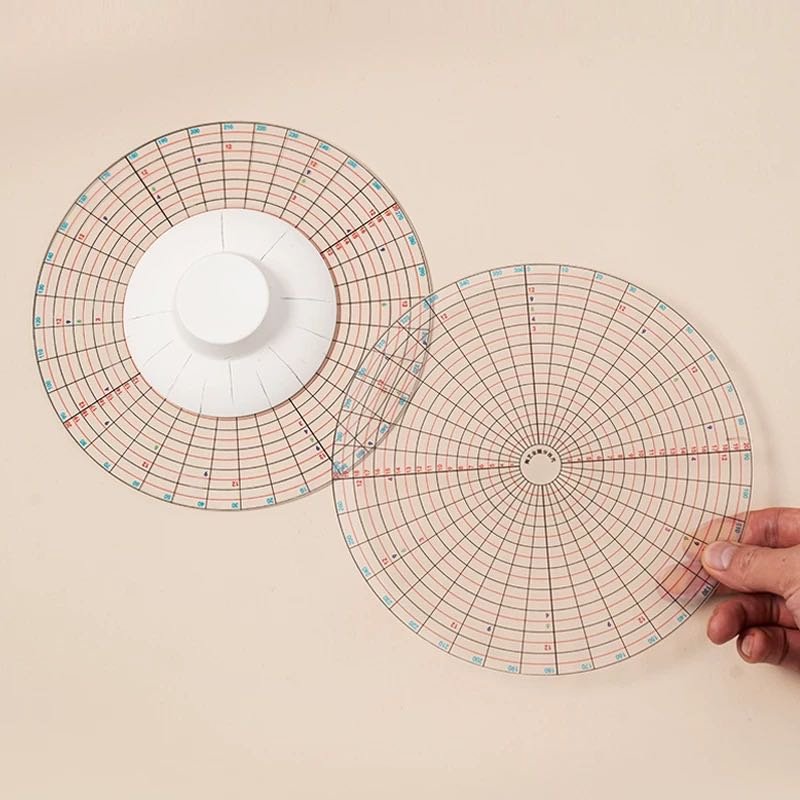
The Circle Measurement Tool (20 cm) made of plastic is a practical and essential tool for any ceramicist who frequently works with round shapes or circles. Whether you're creating plates, bowls, or tiles, this tool provides a quick and accurate way to mark and cut precise circles. Its lightweight design and durable plastic material make it a reliable and easy-to-use tool for a variety of ceramic tasks.


The cutting knife with a stainless steel blade and wooden handle is a must-have tool for ceramicists who need to cut, trim, shape, or carve clay slabs with precision and control.
Its durable design and comfortable grip make it an ideal tool for a wide range of tasks in both beginner and advanced ceramic work. Whether you're creating handbuilt pottery, tiles, or sculptures, this knife helps you achieve clean, professional results.


The 4-round ball set is a practical and versatile tool for creating textures and seamless joins in ceramics. Whether you are adding decorative elements to your pieces or ensuring strong, smooth connections between clay parts, this tool will help you achieve professional-quality results. By using different-sized balls, you can create a variety of textures, from subtle patterns to bold impressions, while also smoothing and sealing seams for durability.
Tool Function: The set of four round balls can be used for a variety of purposes in ceramics, including:
Creating Texture: By gently pressing the balls into the surface of the clay, you can create different patterns or textures on the surface. Each ball may create a different size impression depending on the ball size and the pressure applied.
Smoothing Seams: These tools are particularly effective at smoothing joints between two pieces of clay. For example, if you're joining two pieces, such as slabs or handles, the ball tools can be used to press and smooth the edges where the pieces meet, ensuring that the join is seamless and properly bonded. This is often done to prevent cracking at the seams.
Sealing Joints: When two clay pieces are joined, the round ball tools can be used to press and smooth the edges, effectively sealing the seam. This helps ensure that the pieces stay attached during firing and reduces the risk of cracks or breaks.
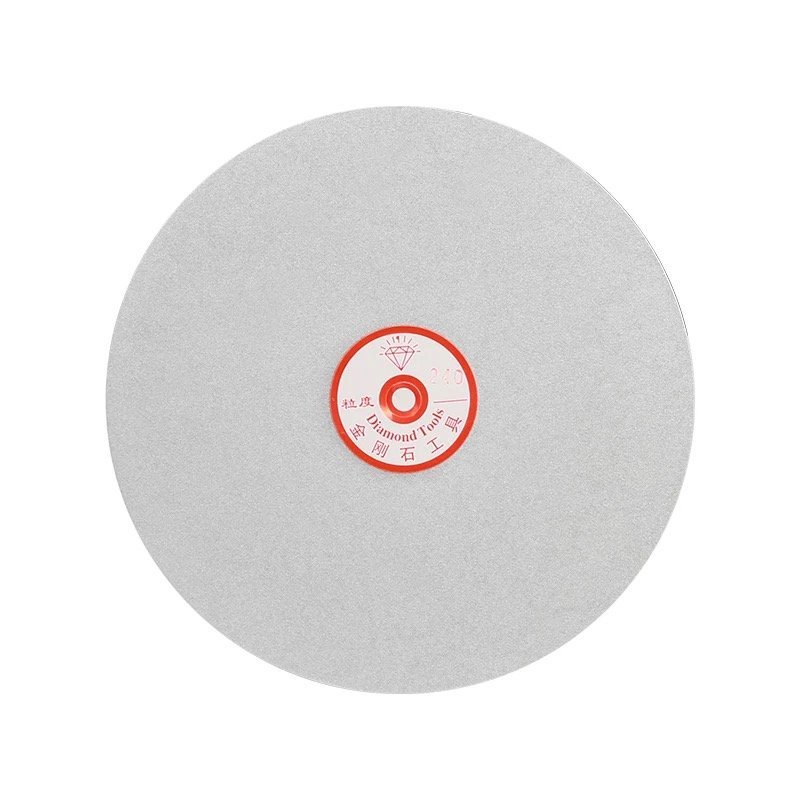
The primary function of a diamond disc with a120 mesh grit is to smooth the bottom of ceramic pieces, particularly after glaze firing. After firing, pieces that have been in direct contact with the kiln shelf may have rough spots or sharp edges where the clay has fused with the shelf or kiln wash. The diamond disc helps to:
Remove Rough Edges: The disc is excellent for removing sharp, rough edges from the bottom of the piece that have formed due to contact with the kiln shelf. This is particularly helpful for glazed pieces where you don’t want to damage the glaze while removing imperfections.
Polish the Bottom: It provides a way to smooth and polish the bottom of the piece, leaving a smooth surface that won’t scratch or damage surfaces where the piece may be placed.
Smoothing After Kiln Firing: The disc is effective after bisque firing or glaze firing, smoothing both the raw clay body and the glazed surface, depending on your specific needs.
Attach the Disc to the Wheel: The diamond disc is typically attached to the pottery wheel using a grip cloth(grip cloth can be purchased under sponge section on this website) to secure the wheel's spindle.
Position the Pottery Piece: Place the fired ceramic piece (with rough edges or a rough bottom) onto the wheel head with a bit water. Make sure the piece is stable and centered.
Turn on the Wheel: Start the wheel slowly to ensure control and gradually increase the speed as needed.
Smooth the Bottom: Lightly press the diamond disc against the bottom of the piece, using gentle pressure. Move the disc in a circular motion, making sure to cover all areas that need smoothing. Avoid pressing too hard to prevent gouging or damage to the piece.
Check for Smoothness: Periodically stop the wheel to check the smoothness of the bottom. If necessary, continue smoothing until the surface is even and free from rough spots.
Clean Up: After use, clean the disc by removing any debris or clay that may have built up.
please wet sand it and wear a mask during the process.

Scoring:
The needle tool is great for scoring clay, particularly when you need to join two pieces together (such as when adding handles or joining slabs). It creates fine, controlled scratches on the surface, allowing for better adhesion when you apply slip.
Carving and Detailing:
The sharp, precise point of a needle tool is excellent for carving intricate designs or patterns into clay, especially when the clay is at a leather-hard or bisque-fired stage.
It can also be used for etching fine lines or creating details in decorative pottery or sculpture.
Trimming:
Needle tools can be used for trimming excess clay, particularly in delicate areas or for shaping fine details like rims, handles, or spouts. It's especially helpful for working on smaller or more intricate projects.
Puncturing and Marking:
The needle tool can be used to poke holes in the clay, which is sometimes necessary for creating drainage holes in pots or making small ventilation holes for firing.
It can also be used for marking where to cut or for creating textures or patterns in the surface of the clay.
Texturing:
The tool can create unique textures or effects by pressing it into soft or leather-hard clay, which is useful in decorative pottery and sculptures.
Opening Air Pockets:
Sometimes, air pockets can form within clay, and the needle tool can be used to gently release trapped air before firing.

The scoring tool is typically used in ceramics to create scratches or rough surfaces on clay pieces so they can bond together more effectively, especially when you're attaching two pieces, like adding handles or joining slabs. This tool is made from aluminum which is lightweight, durable, and resistant to corrosion.
Purpose: The scoring tool is used to create rough surfaces on clay, which helps increase adhesion when two pieces of clay are joined. The scoring process creates small grooves or scratches on the surface, allowing for better contact and bonding when slip (liquid clay) is applied.
Common Uses:
Attaching Handles: When you are adding handles to a ceramic mug or teapot, scoring both the handle and the body of the piece ensures a strong bond.
Slab Building: When joining two slabs of clay to form a larger piece, scoring both edges before applying slip helps them stick together securely.
Repairing Cracks: Scoring can also be useful when repairing cracked ceramic pieces by roughening the crack area before applying fresh clay.
Prepare the Clay: Make sure the surfaces you want to join are clean and free from dust or dried clay.
Score the Surface: Use the tool to scratch or roughen both surfaces you want to join. Apply consistent pressure to create small, crosshatch marks (a crisscross pattern is ideal) on the surfaces.
Apply Slip: After scoring, apply a thin layer of slip (liquid clay) to one or both scored surfaces to help bond the pieces together.
Join the Pieces: Press the scored and slipped pieces together, and smooth the edges with your fingers or a smoothing tool to ensure a strong bond.
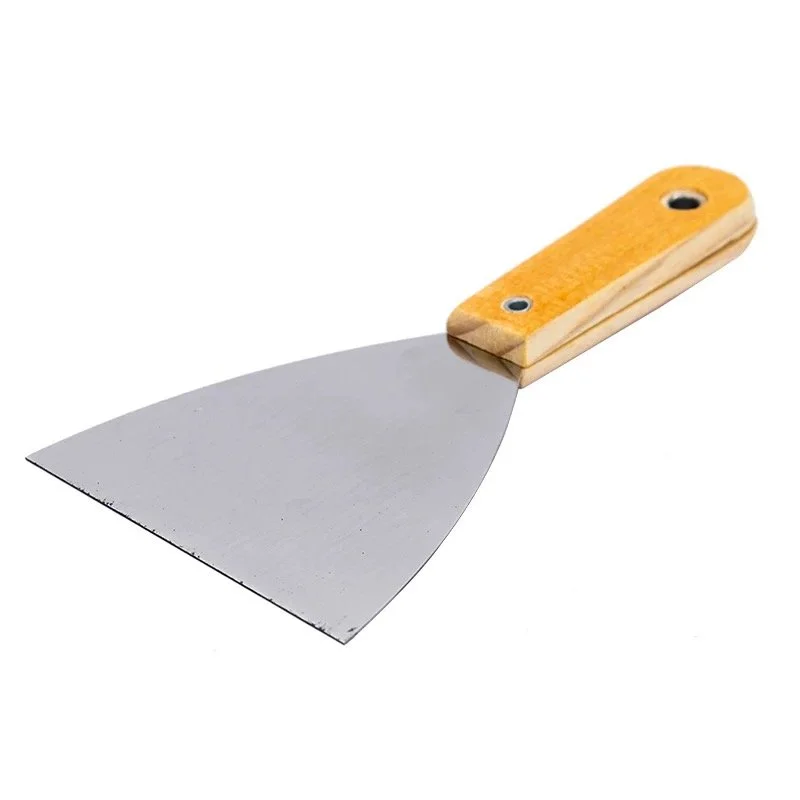

Cutting Excess Clay:
The palette knife can be used to trim or cut off excess clay from a piece during handbuilding or after throwing on the wheel. Its flat, flexible blade allows you to smooth the edges or shape the piece, making it easier to refine the form.
You can use the knife to clean up the bottom of a pot or bowl by cutting away any unwanted clay, especially after it’s been shaped and dried to the leather-hard stage.
Peeling Clay from a Batt:
A batt is often used to roll out clay or as a surface for drying. If your piece is stuck to the batt (often due to moisture or clay adhering to the surface), you can gently peel off the clay using a palette knife. The thin, flexible blade can get under the clay without damaging the piece, allowing you to lift or remove it carefully from the batt.
This is especially useful when the clay has started to dry, and you want to prevent it from cracking or warping when removing it from the surface.
Smoothing and Shaping:
The palette knife is ideal for smoothing the surface of the clay or creating texture on the piece. By gently pressing the knife’s edge to the surface, you can flatten out rough areas or smooth the edges, refining the overall form.
For pieces that need precise or intricate shaping, the palette knife can be used to scrape off small amounts of clay, particularly around the rim or edges.
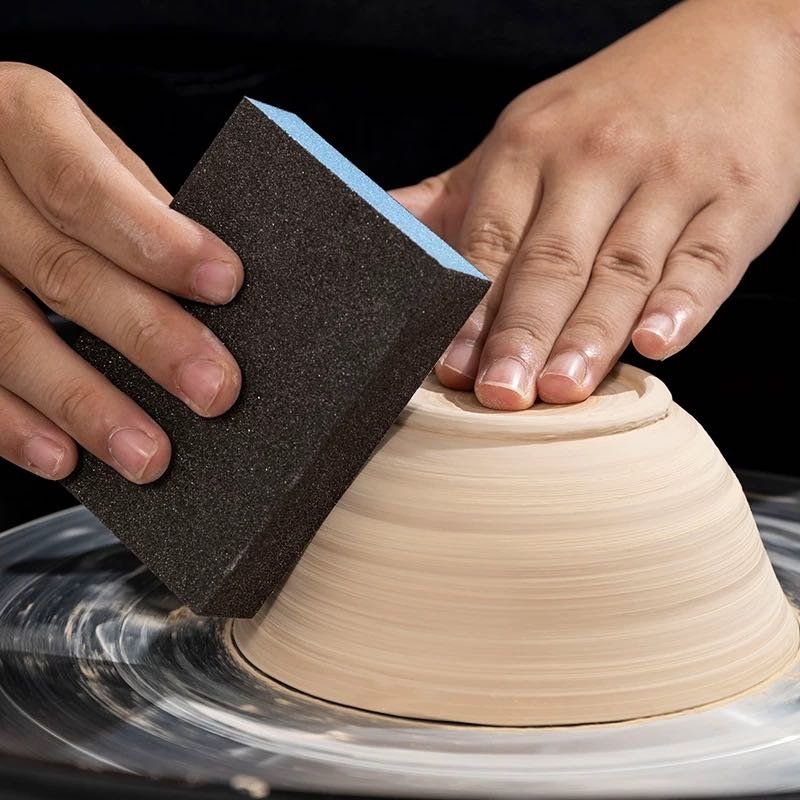

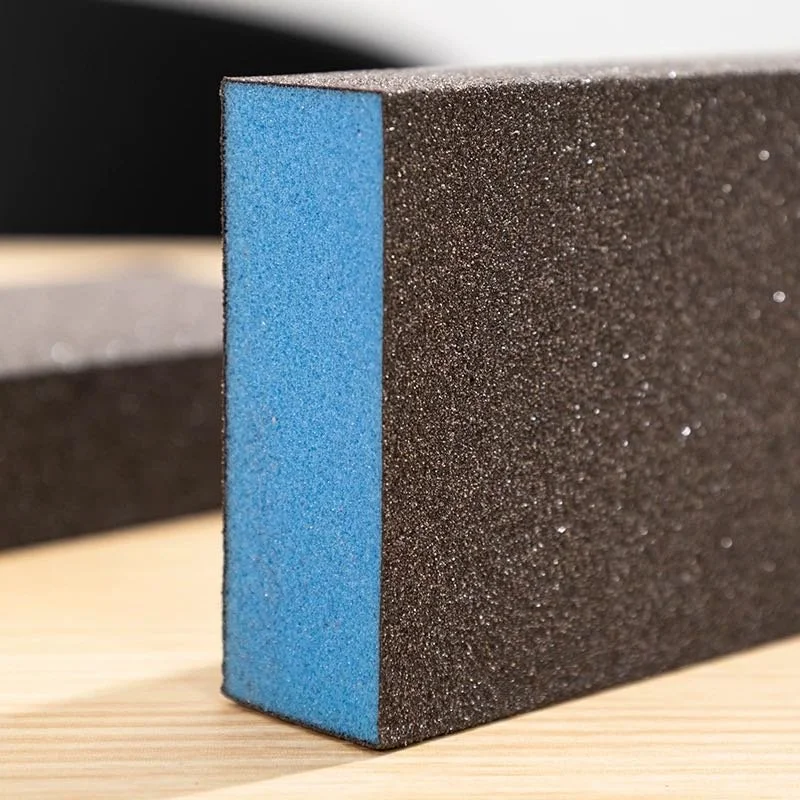

For Wet Sanding:
Dampen the surface of the ceramic with a small amount of water.
Lightly rub the sanding block across the surface in small, circular motions.
Rinse the block and the piece periodically to keep the sanding process clean.
For Dry Sanding:
Simply use the sanding block on the dry surface of the ceramic piece, gently rubbing it in the direction you wish to smooth.
Be careful not to apply too much pressure, as it could create deep scratches or damage the surface.
Smoothing Surfaces: It helps smooth out rough patches, refine the texture, and create a clean, polished surface.
Versatile: Works on both bone-dry clay and bisque-fired ceramics.
Control: The 100-grit block provides a good balance between abrasive power and finish quality, making it ideal for general smoothing without over-sanding.
Avoid Over-Sanding: Be cautious when using any sanding tool, especially on bone-dry clay, as excessive sanding can weaken the piece or cause it to crack.
Use Water for Wet Sanding: Wet sanding can keep the process dust-free, but you need to keep the ceramic piece moist to avoid the block from clogging or the surface from getting too dry and causing scratches.
Clean the Block Regularly: Whether wet or dry, make sure to clean the block periodically to maintain its efficiency.


Soft Bristles: The brush made from goat hair is known for its softness and flexibility, which allows for smooth and controlled brushstrokes. It is often used for fine detailing or painting delicate patterns on ceramics.
Common Uses in Ceramics:
Applying Underglaze: The goat hair brush is great for applying underglaze on bisque-fired ceramic pieces. Its soft bristles help in creating smooth, precise lines.


Soft Bristles: The brush made from goat hair is known for its softness and flexibility, which allows for smooth and controlled brushstrokes. It is often used for fine detailing or painting delicate patterns on ceramics.
Common Uses in Ceramics:
Applying Underglaze: The goat hair brush is great for applying underglaze on bisque-fired ceramic pieces. Its soft bristles help in creating smooth, precise lines.


It’s important to note that Tiao Dao also refer to a specialized tool used for creating texture or incised lines in soft clay before firing. This tool can be used to shape the clay by jumping or moving quickly over the surface in a controlled manner, similar to how a carving tool might be used in other types of craftwork.
Prepare the Clay:
Ensure your clay is at the leather-hard stage, meaning it is firm but still slightly moist and soft enough to carve or trim. Leather-hard clay is ideal because it's neither too soft (which can deform easily) nor too hard (which is difficult to shape).
Grip the Handle:
Hold the wooden handle of the jump knife, but don’t grip it too firmly. The idea is to keep your hand relaxed and allow the knife to glide over the surface of the clay. If you hold it too tightly, you might make jerky movements that could result in uneven cuts or damage to the surface of the pottery.
Position the Knife:
Place the jump knife lightly on the surface of the spinning pottery or clay piece. The blade should make gentle contact with the clay without pressing too hard. The spinning motion of the wheel will help guide the knife as it moves along the surface.
Use Controlled Pressure:
As the pottery spins on the wheel, apply gentle, controlled pressure. The jump knife should "jump" or move in a very fluid manner across the clay surface. The goal is not to force the knife into the clay but to let it skim the surface in a rhythmic, smooth motion.
Move the Knife Smoothly:
Allow the knife to glide over the surface of the clay, creating textures, lines, or subtle cuts as you go. The idea is to make light, fluid motions to achieve decorative effects or trim the piece evenly.
Keep the Knife Blade Clean:
Occasionally clean the blade of the jump knife to ensure no clay buildup. This will keep your cuts clean and precise.
Blade Angle: Keep the blade at a slight angle to the surface of the clay to achieve smoother, more consistent marks.
Speed of Spinning: The wheel should spin at a moderate speed. Too fast, and the knife might catch on the clay; too slow, and you may not achieve the desired effects.
Practice: If you're new to using the jump knife, it’s helpful to practice on a scrap piece of leather-hard clay to get the feel of how much pressure to apply and how the tool moves across the surface.
The most important aspect of using the TIAO DAO (jump knife) is to maintain control and allow the tool to glide over the leather-hard clay, rather than forcing it. A relaxed grip will help the tool "jump" lightly across the surface, creating smooth and controlled carvings or trims.
Would you like to know more about specific carving techniques or additional tools for decorating ceramics?

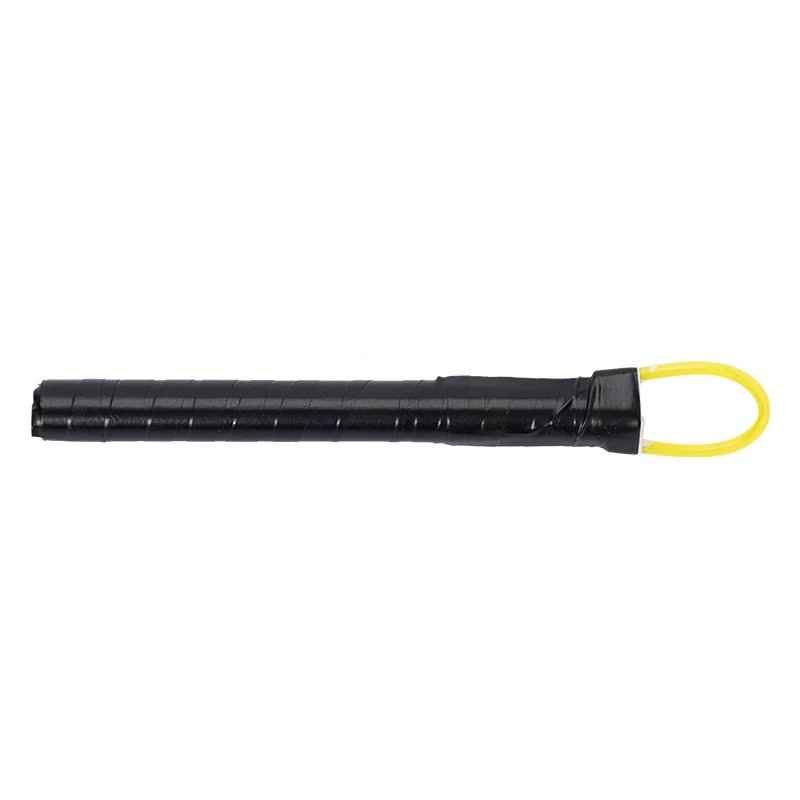
ceramic polish pen is a specialized tool used for smoothing or polishing the surface of ceramics, often after the trimming part before firing.
These pens are typically used to refine and smooth out specific areas of pottery or ceramic items that need a bit of extra finishing or polishing.


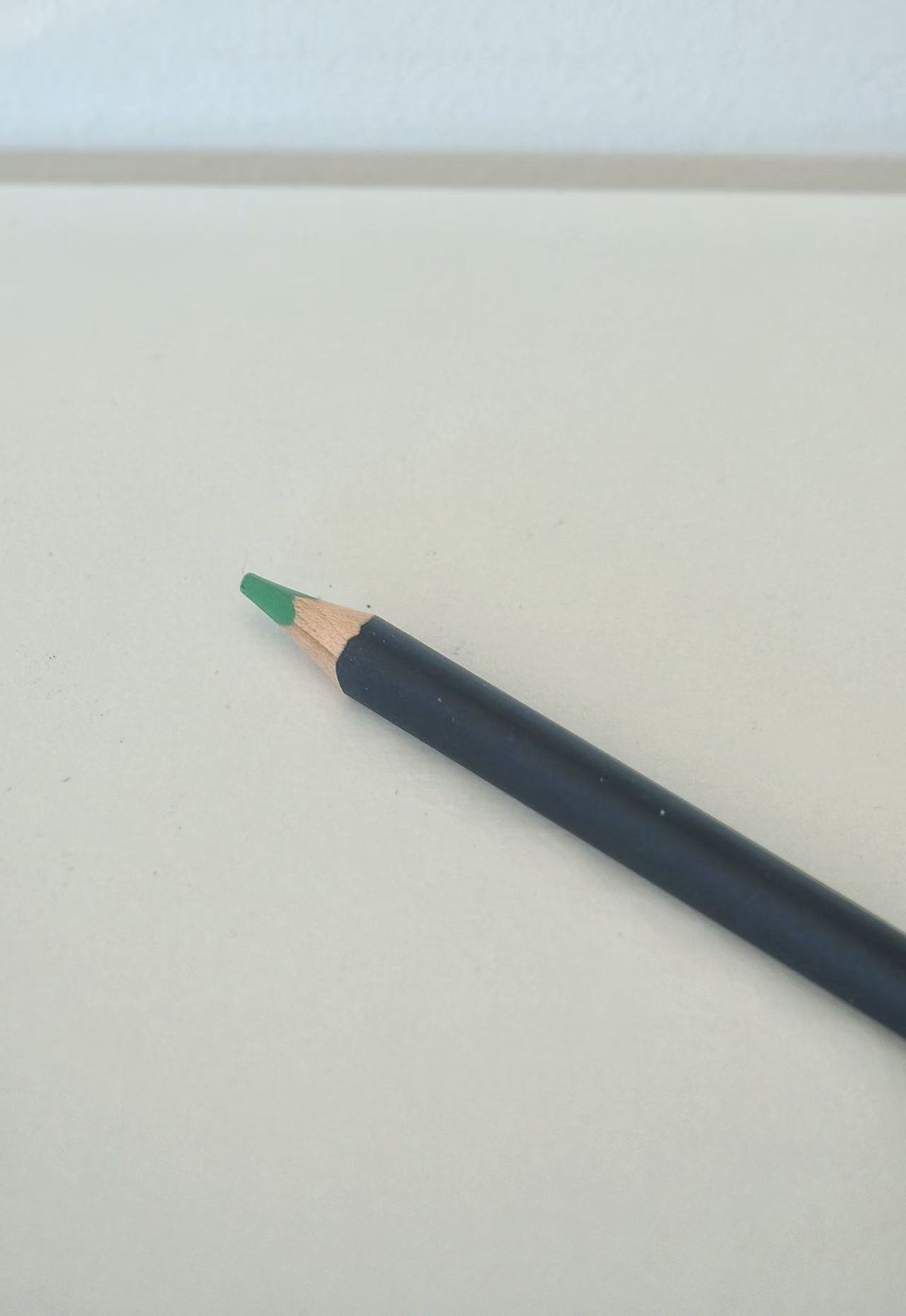




This colored pencil set comes with a case containing 12 colors, a filer for erasing, and a knife for sharpening the pencils.( If you buy single colored pencils, it doesn’t come with filer and knife)
Prepare the Bisqued Ware:
Before using the underglaze pencil, make sure your bisque-fired ceramics are clean. Wipe the surface with a damp sponge or cloth, ensuring that the piece is damp but not wet. This helps the underglaze adhere better to the surface.
Underglaze Pencils:
Underglaze pencils has 12 colors as a set. However, you can buy single colors. Black, blue ,green and red are available.
Note on the Texture of the Pencil:
Since underglaze is made from pigments mixed with clay (mud), it is softer than regular pencils and may break more easily. Underglaze pencils are not as hard as traditional pencils, so be mindful when using them.
Sharpening the Pencil:
Avoid using a pencil sharpener because it may damage the pencil due to its soft texture. Instead, always use a craft knife or razor blade to carefully cut the pencil to a sharp point. This ensures precision without damaging the tip.
Application:
Once the underglaze pencil is properly prepared, you can begin drawing on the damp bisque surface. Be sure to work gently and avoid pressing too hard to prevent breaking the pencil.
If you want more vibrant colors, you can layer the underglaze and then apply a clear glaze over the top after firing.
Always test the underglaze on a sample piece before applying it to your main project to see how the colors turn out after firing.

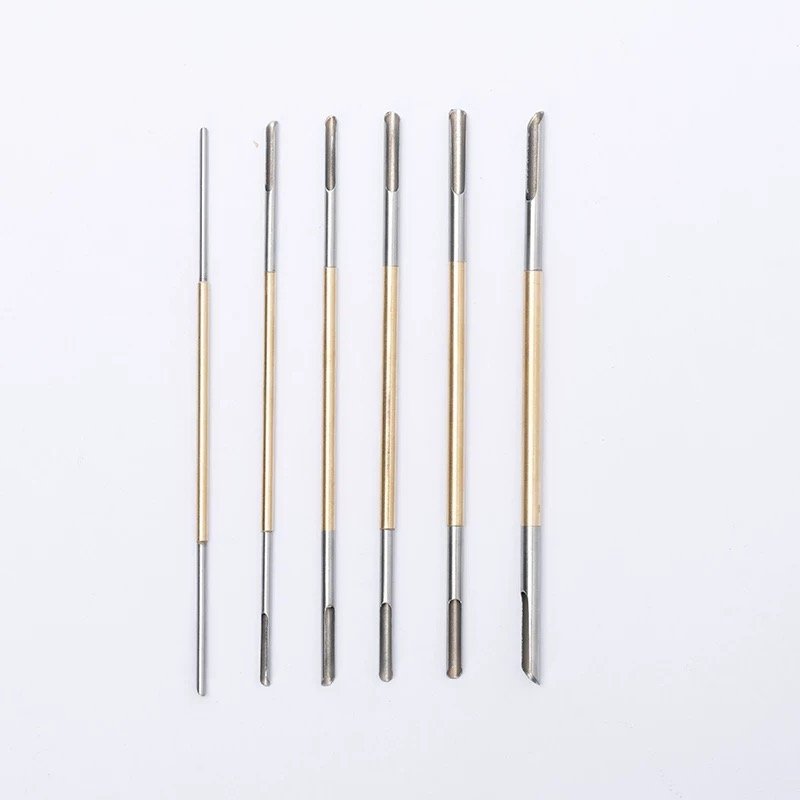
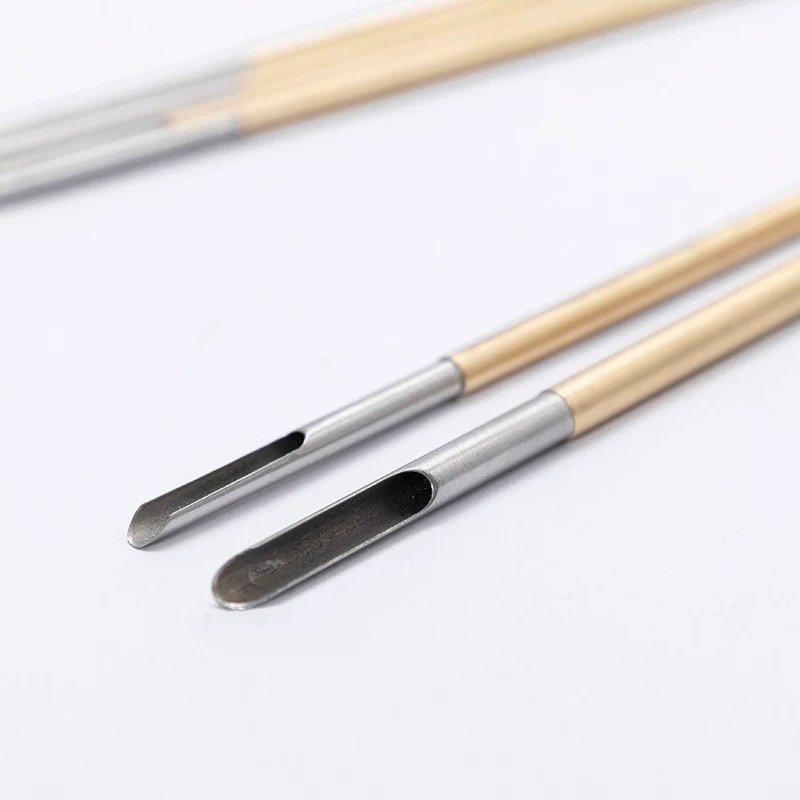

A hole punch set of 6 designed for ceramics features smaller sizes, making it ideal for creating precise holes such as those required for teapot spouts or tea strainer filters. Perfect for delicate and detailed work, this set ensures clean, professional results on leather-hard clay.
Key Features:
1. Small Hole Sizes:
• Specifically crafted to create tiny, precise holes suitable for teapot spouts and strainers.
• Ensures functionality while maintaining the aesthetic quality of the piece.
2. Durable Construction:
• Stainless Steel Heads: Sharp and long-lasting for smooth and accurate perforation.
• Wooden or Metal Handles: Lightweight and easy to grip, offering control for intricate designs.
3. Usage:
• Ideal for working on leather-hard clay, ensuring holes are clean and edges remain smooth.
• Can be used to create symmetrical patterns or functional drainage systems in smaller ceramic pieces.
This toolset is an essential addition for potters specializing in functional ceramics, especially for fine work like teapots, tea strainers, or miniature pieces.

A double-headed trimming tool set of 6 is a versatile and efficient solution for shaping and refining ceramics. With stainless steel heads on both ends and durable wooden handles, this set is designed to handle a variety of trimming tasks with precision, covering all different angles and shapes required in pottery.
Key Features:
1. Double-Headed Design:
• Each tool features two stainless steel trimming heads, offering different shapes and sizes for versatile functionality.
• Ideal for achieving a wide range of angles and cuts, including straight lines, curves, and fine details.
2. Stainless Steel Heads:
• Durable and sharp, ensuring clean and precise trimming.
• Resistant to rust and wear, suitable for long-term use even with wet clay.
3. Wooden Handles:
• Smooth, ergonomic handles provide a comfortable grip for better control and reduced fatigue.
• Lightweight yet sturdy, making the tools easy to maneuver.
4. Comprehensive Set:
• Includes 6 tools, offering a full range of options for shaping, detailing, hollowing, and refining your clay projects.
Benefits:
• Saves time by allowing quick transitions between different angles and tasks.
• Provides versatility for all pottery needs, from basic shaping to intricate detailing.
This set is ideal for potters of all skill levels, offering efficiency, durability, and precision in every stage of the trimming process.


Foot rim tool with a stainless steel head and wooden handle is designed to make creating and refining the foot rim faster and easier, ensuring efficiency and precision during the pottery process.
Length: 13.3 cm
Head: 1.6cm
Key Features for Speed and Ease:
1. Stainless Steel Head:
• Razor-sharp and durable, allowing for quick trimming of excess clay.
• Shaped for smooth, clean cuts to form an even and polished foot rim effortlessly.
2. Ergonomic Wooden Handle:
• Comfortable grip minimizes hand fatigue, enabling faster work during long sessions.
• Lightweight design ensures better control for quick and efficient movements.
3. Efficient Performance:
• Simplifies the process of creating a clean, stable base on bowls, cups, and plates.
• Cuts down on finishing time while maintaining accuracy and consistency in shaping.
This tool is perfect for potters looking to streamline their workflow and achieve professional results in less time.

This is a loop trimming tool crafted from stainless steel with a sturdy wooden handle, designed specifically for precise trimming of clay. The loop head is ideal for removing excess clay, shaping, and refining the inner surfaces of tea cups, bowls, and other rounded ceramics.
Key Features:
1. Stainless Steel Loop Head:
• Provides durability and sharpness for clean, efficient trimming.
• Perfect for shaping and hollowing the interiors of curved pieces.
2. Wooden Handle:
• Comfortable to hold, offering a firm grip during detailed work.
• Lightweight and ergonomic, reducing fatigue during extended use.
3. Purpose:
• Designed for functional pottery, especially for refining and finishing the insides of cups, bowls, and other hollow forms.
• Helps achieve smooth and even surfaces with precision.
This tool is an essential for potters aiming for well-balanced and professional-looking ceramic pieces.


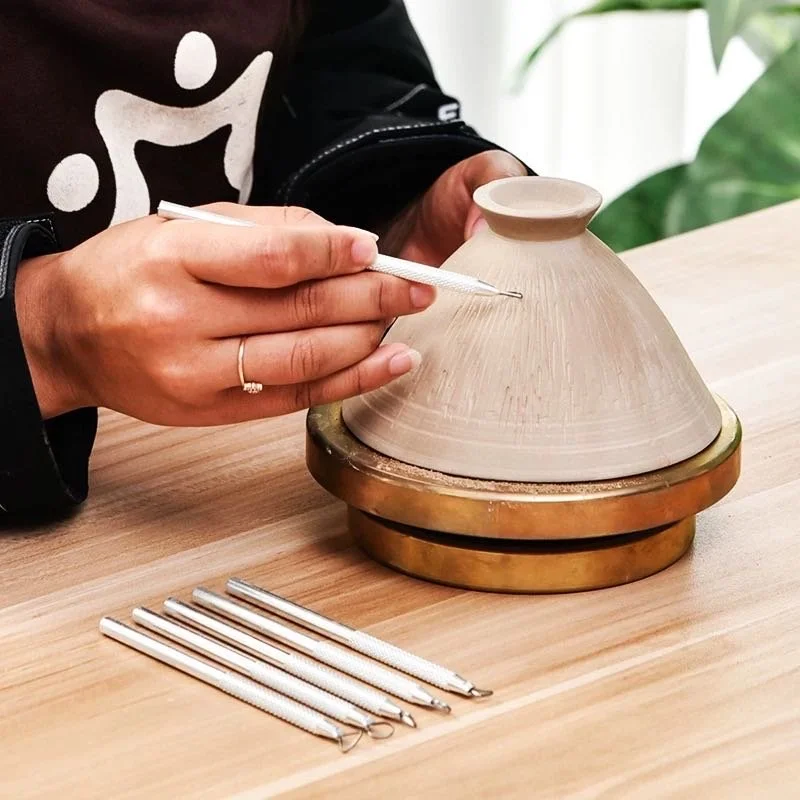


This is a 6-piece ceramic trimming tool set, each measuring roughly 12.2 cm in length and made from lightweight and durable aluminum. The tools are designed with ring and triangle-shaped trimming heads of various sizes, suitable for intricate detailing, carving, and refining clay pieces.
Key Features:
1. Trimming Heads:
• The set includes ring-shaped and triangular trimming heads with sizes ranging from 0.5 cm to 1.0 cm, allowing for precision work on both small and detailed areas.
• The thin wire construction is ideal for removing clay and refining surfaces.
2. Handle Design:
• The handles feature a textured grip, ensuring excellent control and ease of handling, even during delicate tasks.
3. Material:
• Crafted from aluminum, the tools are lightweight yet sturdy, perfect for long-lasting use without hand fatigue.
This set is ideal for ceramicists who need fine detailing tools for sculpting, carving, or trimming clay projects. Perfect for both beginners and professionals.


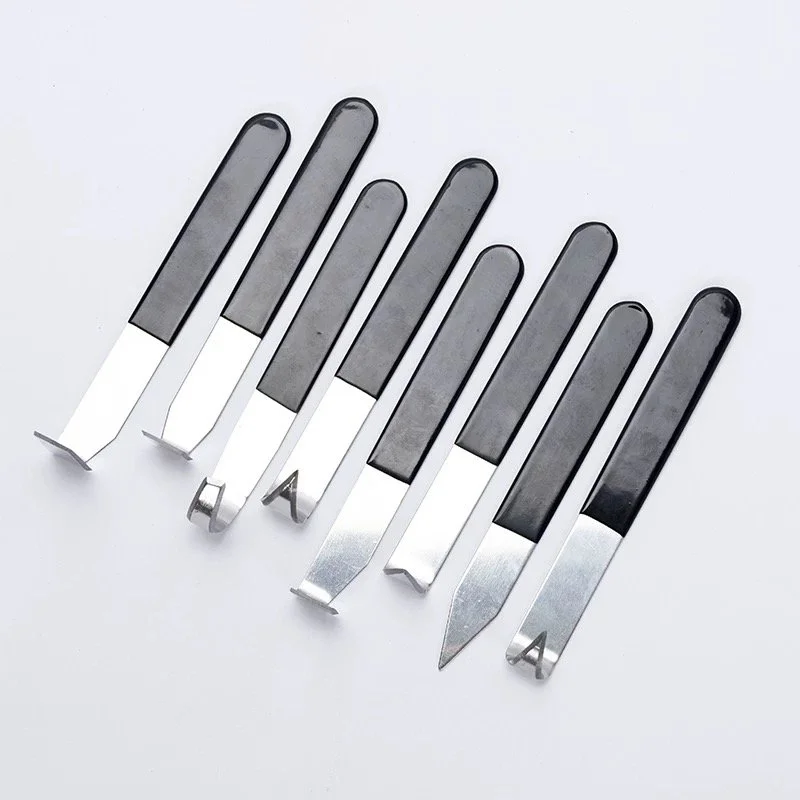


This set is ideal for both beginners and professionals, providing versatility for trimming, shaping, and adding detail to ceramic works.
This is an 8-piece ceramic trimming tool set, designed for refining and detailing clay creations. Each tool features a stainless steel blade for precision and durability, and the handles are covered in a black leather-textured grip, offering comfort and control during use.
Tool Details:
1. Square and Rectangle Blades: Ideal for trimming flat surfaces and creating sharp edges.
2. Triangular Blade: Great for carving and detailing fine angles.
3. Curved and Hooked Blades: Perfect for shaping and hollowing out rounded or intricate forms.
4. Straight and Pointed Blades: Used for cutting, incising, or creating precise lines.
Weight: 200 to 300g


6 Brushes: The set contains 6 brushes specifically designed for gouache painting or applying glazes to ceramics.
Different Sizes: The set includes a variety of sizes, giving you flexibility for both fine details and larger areas in your artwork or glazing process.
Time-Saving: The brushes are designed to be efficient, making them a time-saving tool for artists, whether working on paintings or applying glazes to ceramic pieces.
No Hair Shedding: The brushes are built with high-quality bristles that don’t shed, ensuring a smooth, consistent application of color or glaze.
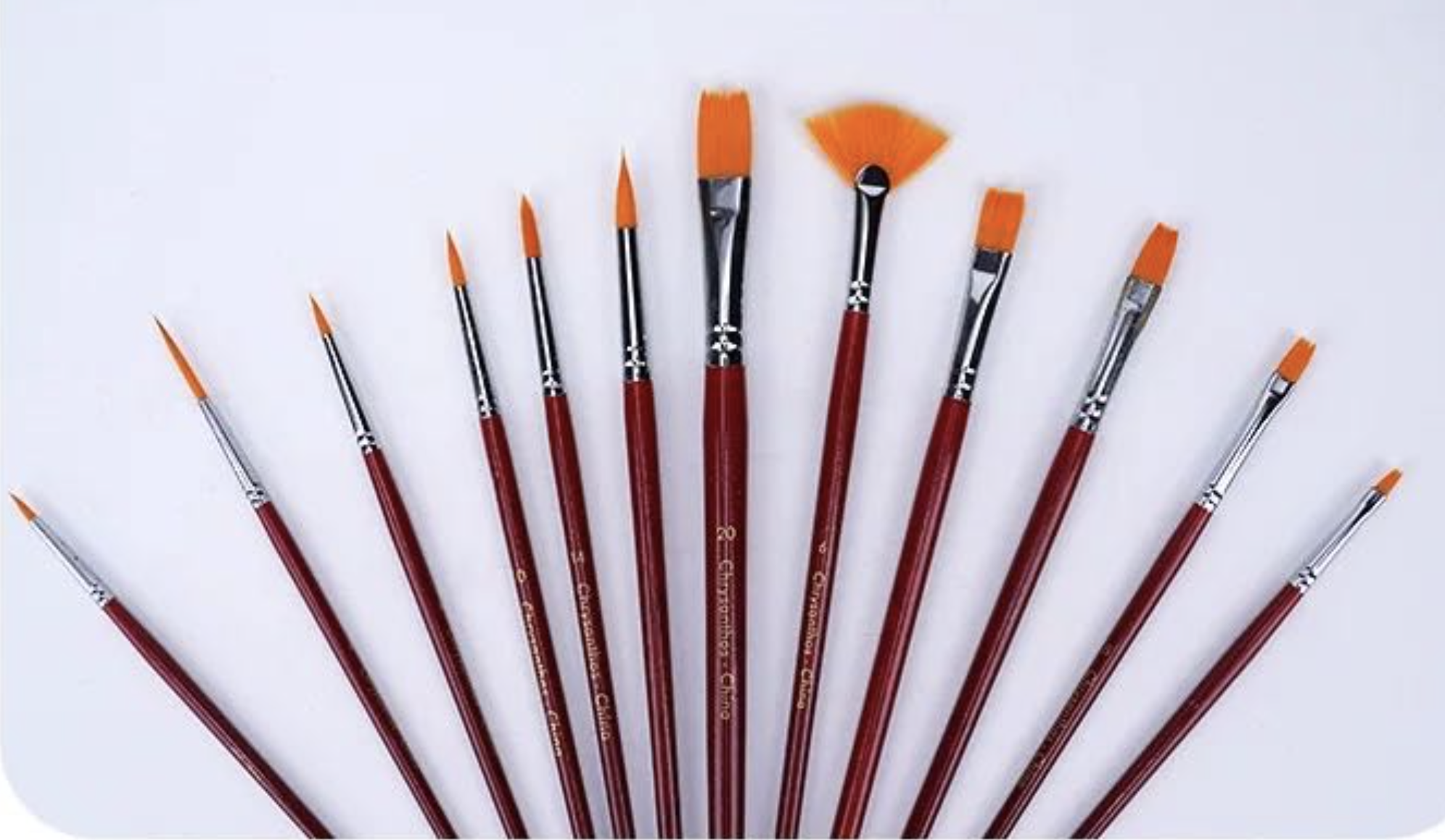

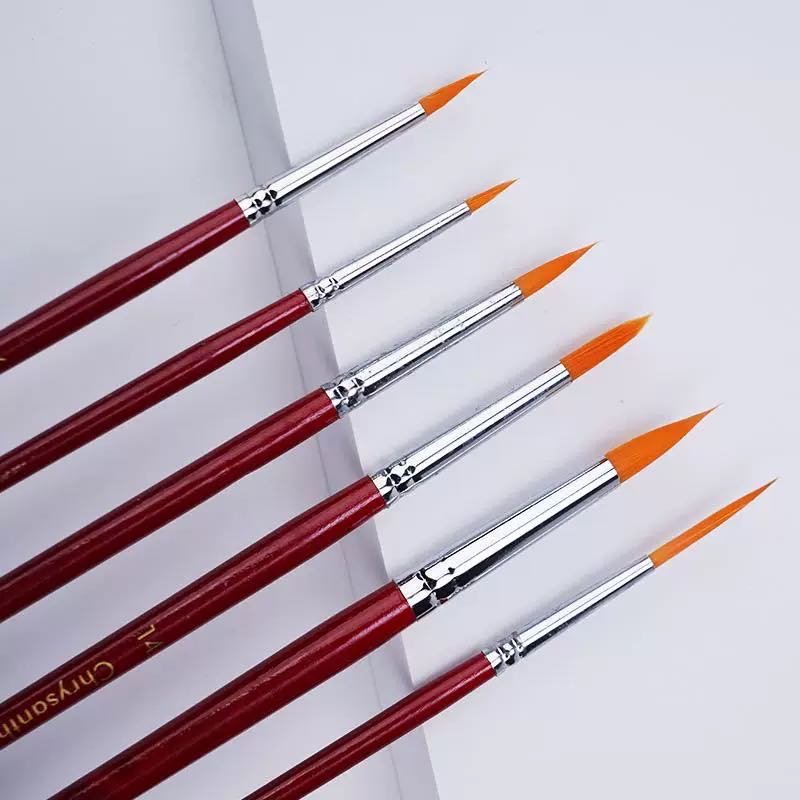
Set of 12 Brushes: The set includes a range of brushes, likely offering different shapes and sizes to suit various painting or glazing techniques.
Length: Each brush is between 21.5 cm and 24.5 cm, providing a good balance between control and reach.
For Use on Clay: These brushes are ideal for both leather-hard clay (clay that is firm yet still damp) and bisque-fired clay (clay that has been fired once and is ready for glazing or decoration).
Variety of Sizes: The set includes brushes in various sizes, so you have the flexibility to work on both fine details and larger areas of your clay pieces.


Length: 18 cm, Width: 6 cm: The size of the brush, giving an idea of its practical use for larger surfaces or delicate touch-ups.
Brush Material: synthetic fibers
Ideal Uses:
Glazing: In ceramics, fan brushes are great for applying a thin, even coat of glaze.
Dusting: The soft bristles can be used to gently sweep away dust and particles from ceramics before applying glazes or finishing touches.
Water Painting: it can be used for creating textured strokes in watercolor or ink painting.


weight: 36g
Material: bamboo and sheep hair brush
Length: 22.5cm
This large brush, with its soft and fine bristles, is ideal for gently sweeping away dust or debris from ceramics during the crafting or finishing process. In ceramics, dust and small particles can affect the quality of the surface or glaze, and a brush like this is perfect for delicate, precise cleaning without damaging the work.


This is a pottery wheel grip cloth designed to help secure a batt to the wheel head during ceramic work. It is typically made of absorbent material, which creates friction between the batt and the wheel head, preventing slipping during use.
Diameter: 30cm
Features include:
• Non-Slip Functionality: Ensures stability while shaping clay.
• Reusable Material: Durable and easy to clean after use.
• Compatibility: Works with various types of pottery wheels and batts.
How to Use the Pottery Wheel Grip Cloth:
1. Prepare the Cloth: Dampen the cloth by lightly wetting it. Ensure it is moist but not dripping wet.
2. Place on the Wheel: Lay the damp cloth flat on the pottery wheel head, ensuring it is centered.
3. Prepare the Batt: Dampen the underside of the batt in the same way, keeping it moist but not overly wet.
4. Secure the Batt: Place the damp batt on top of the cloth, aligning it properly. The moisture and the cloth’s friction will hold the batt securely in place during use.
This setup prevents the batt from slipping, providing stability while you work.

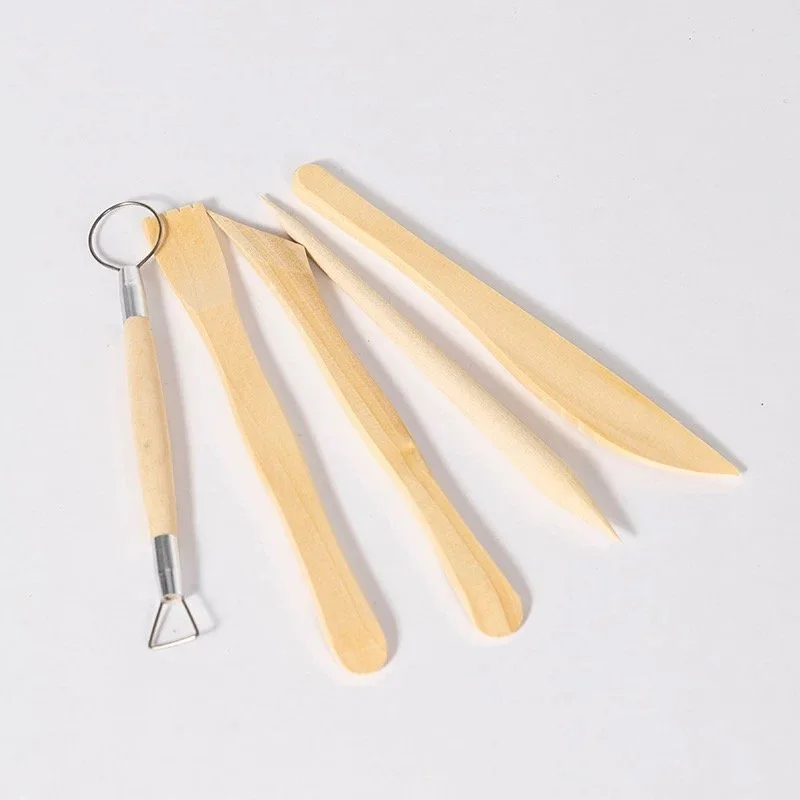

This is a 5-piece ceramic tool set designed for beginners, presented in a clear plastic storage case. The tools include:
1. Loop Tool: For shaping and hollowing clay.
2. Beveling Tool: For cutting or carving edges cleanly.
3. Pointed Tool: Ideal for detailing and incising designs.
4. Flat Shaping Tool: Used for smoothing and refining surfaces.
5. Rounded Sculpting Tool: Perfect for shaping and blending curves.
The tools are crafted from smooth wooden handles and metal accents where applicable, making them lightweight and easy to use. The clear case provides convenient storage and portability.


This vase has the flowing white glaze against the black clay body which create a visual effect reminiscent of snow capped mountain peaks.
The organic drips resemble melting snow, further evoking natural landscapes.
Clay: Black clay body
Glaze: White lava glaze
Height: 13cm
Width: 10cm
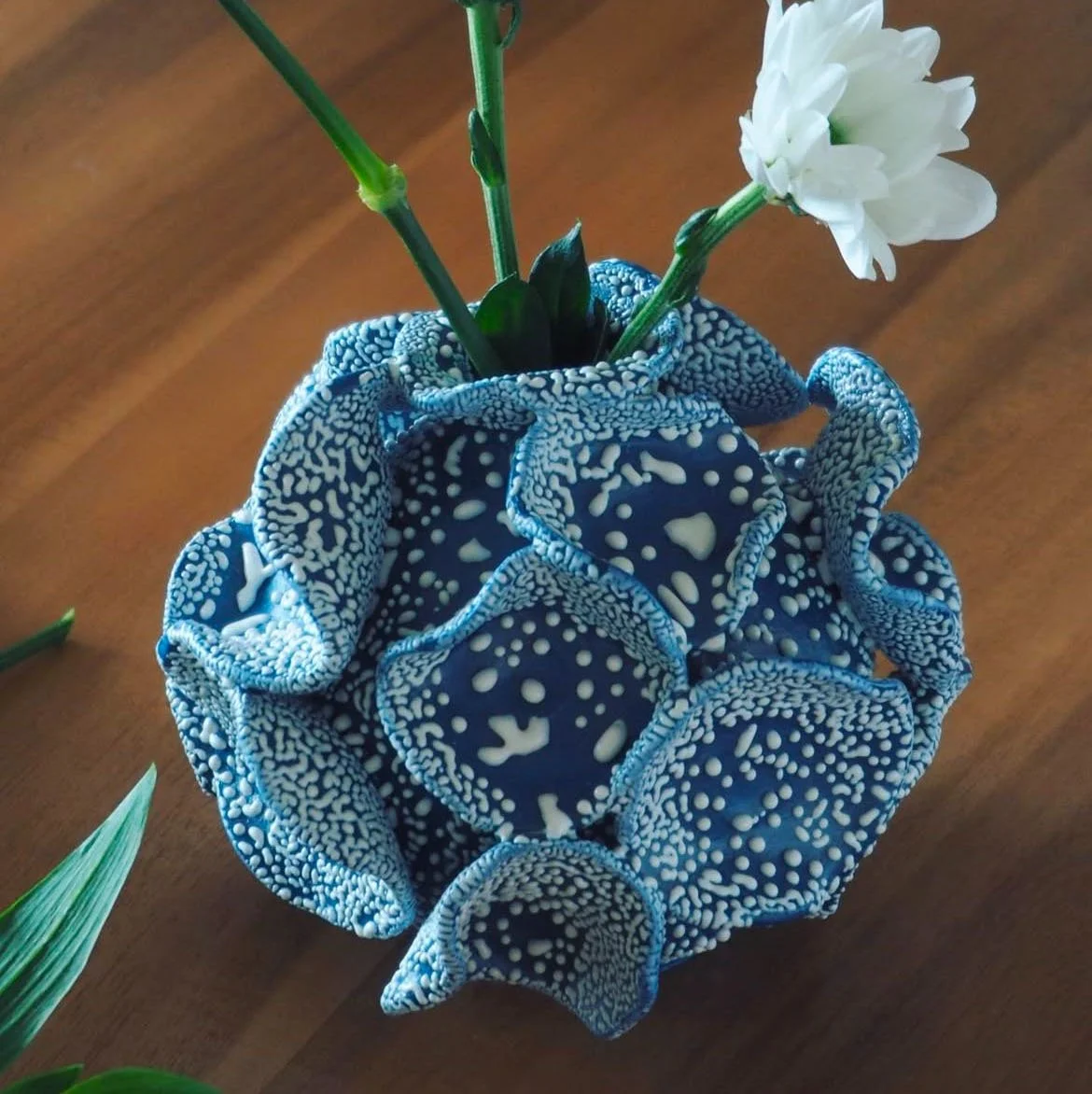

It reminds me of an ocean in bloom—like a flower unfolding beneath the waves. It's as if corals, too, are flowers, their delicate petals swaying with the current. A truly unique masterpiece, where the beauty of both land and sea converge.
Clay Body: Black
Engobe: Blue
Glaze: Sweat Glaze
Size:
Hight: 12cm
Length: 12cm
Width: 12cm
A relaxed introduction to working with clay — perfect for beginners and the curious.
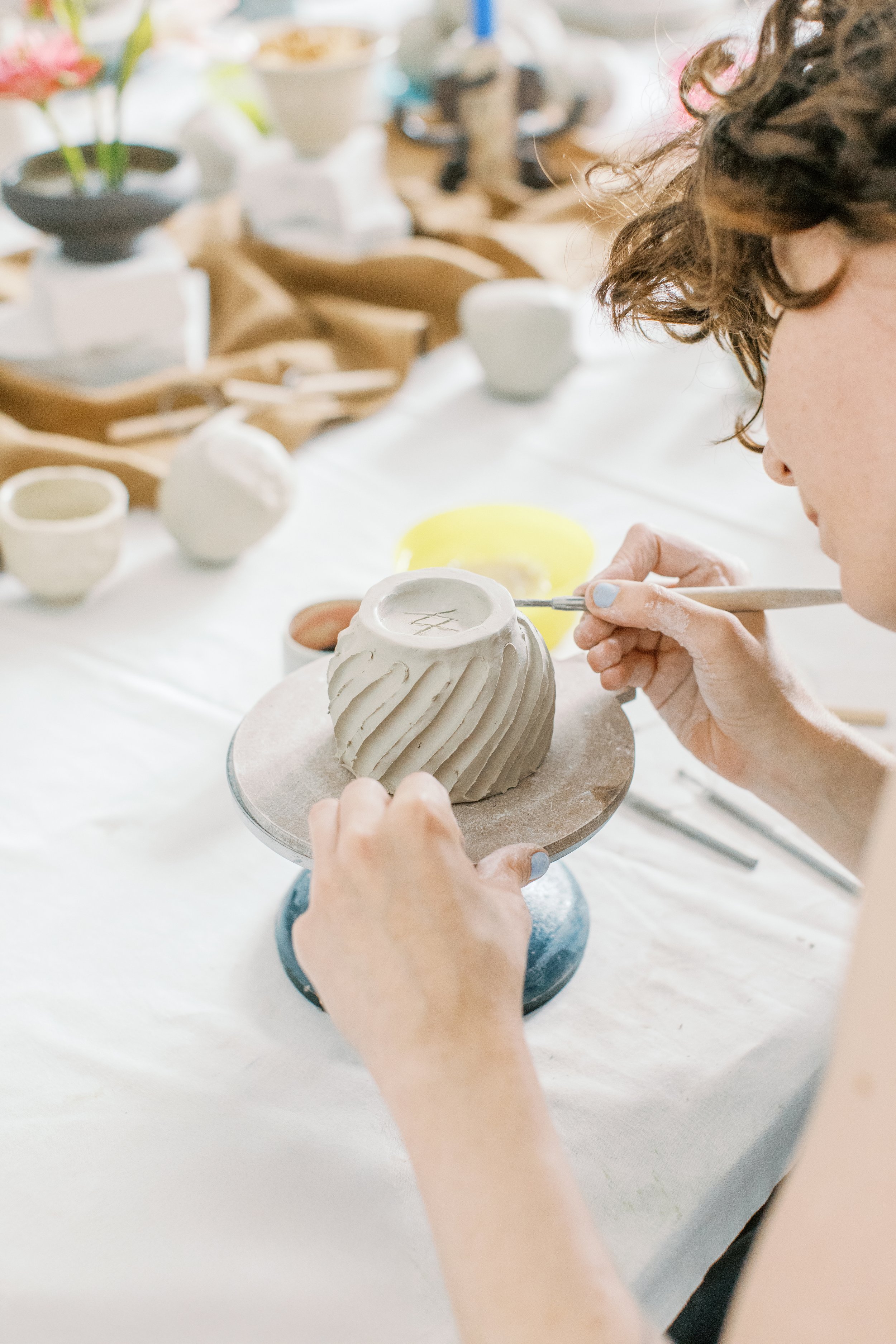
Learn the fundamentals of handbuilding, including coiling, pinching, and slab building. Guided by the process, you’ll be supported in creating forms of your own.
Handbuilding embraces imperfections, irregularity, and the quiet rhythm of making by hand.
You can take one piece home. If you’d like to keep additional pieces, they can be finished for €10 per piece, which includes glazing and two firings (bisque + glaze).
Finished work will be ready for collection a few weeks later.
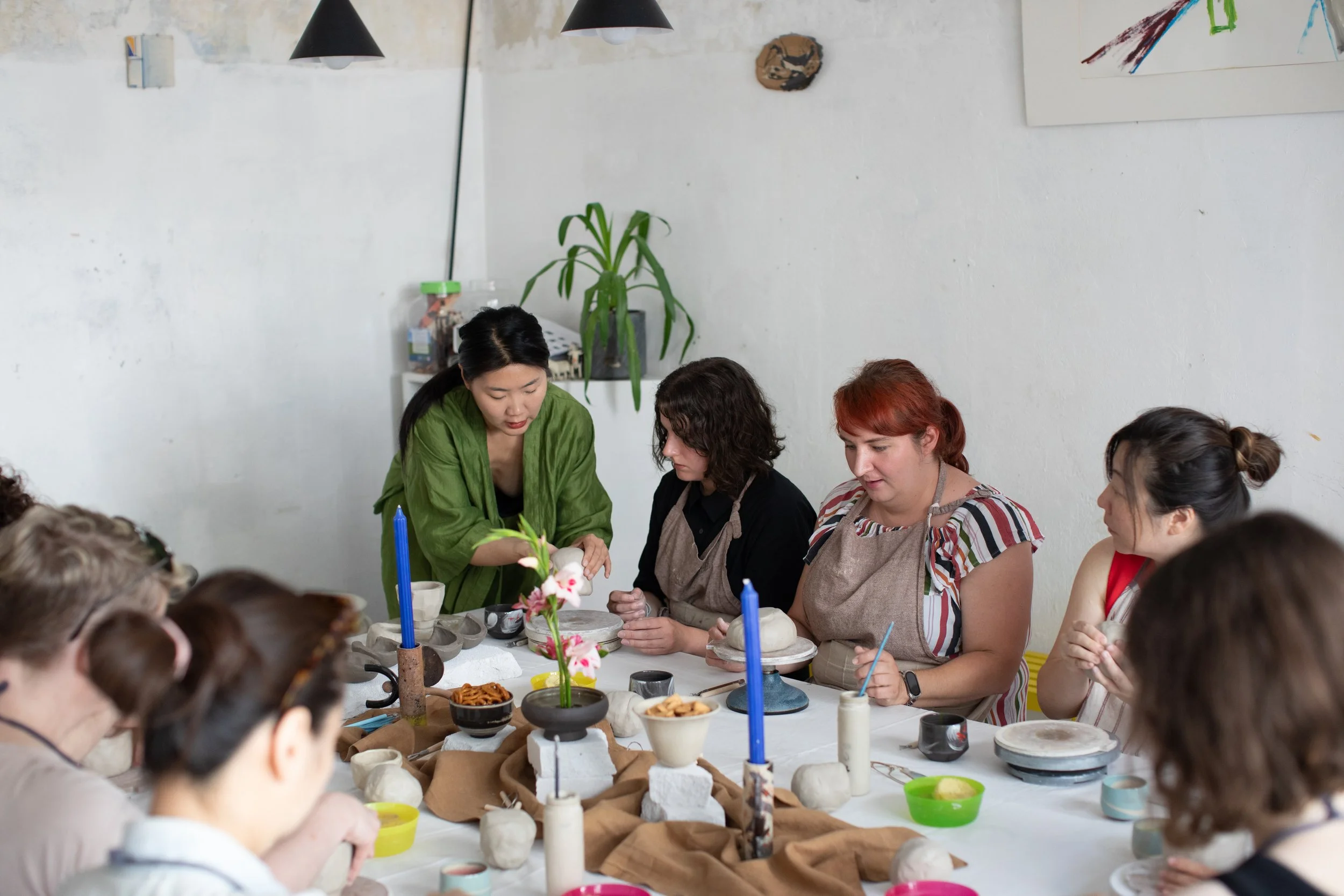
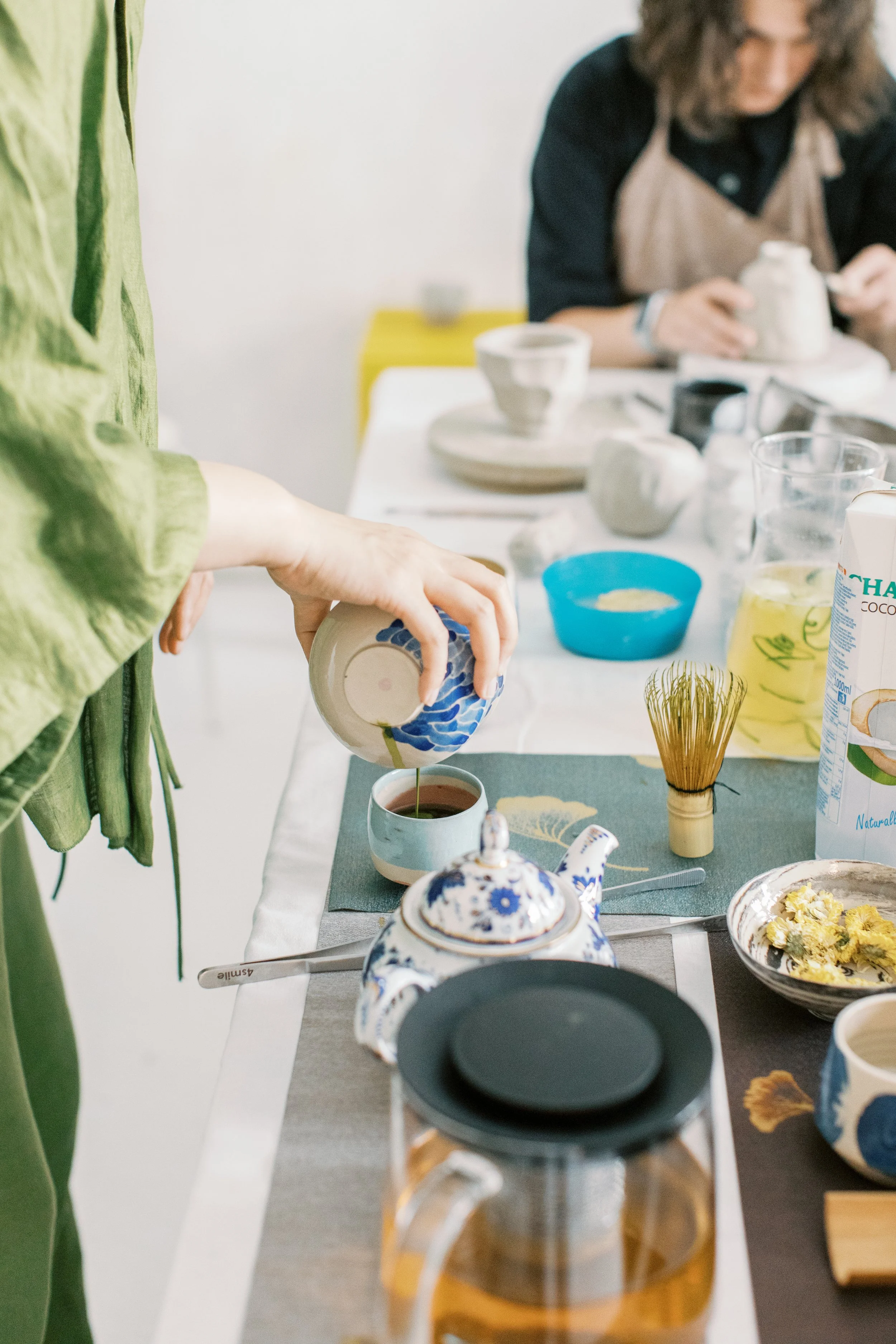

Join us for a gentle afternoon where tea and clay come together in quiet harmony.
We begin with a small, thoughtfully curated tea tasting — a moment to slow down, warm your hands, and settle into the space. With a cup beside you, you’ll shape your own tea bowl or cup from clay, creating a piece to hold your future rituals.
🫖 What’s included:
• A guided, curated tea tasting
• All materials and tools for your ceramic piece
• Calm, supportive instruction throughout
• Glazing and firing of your work — ready to be collected a few weeks later
A space to pause, create, and savor — both the tea and the process.
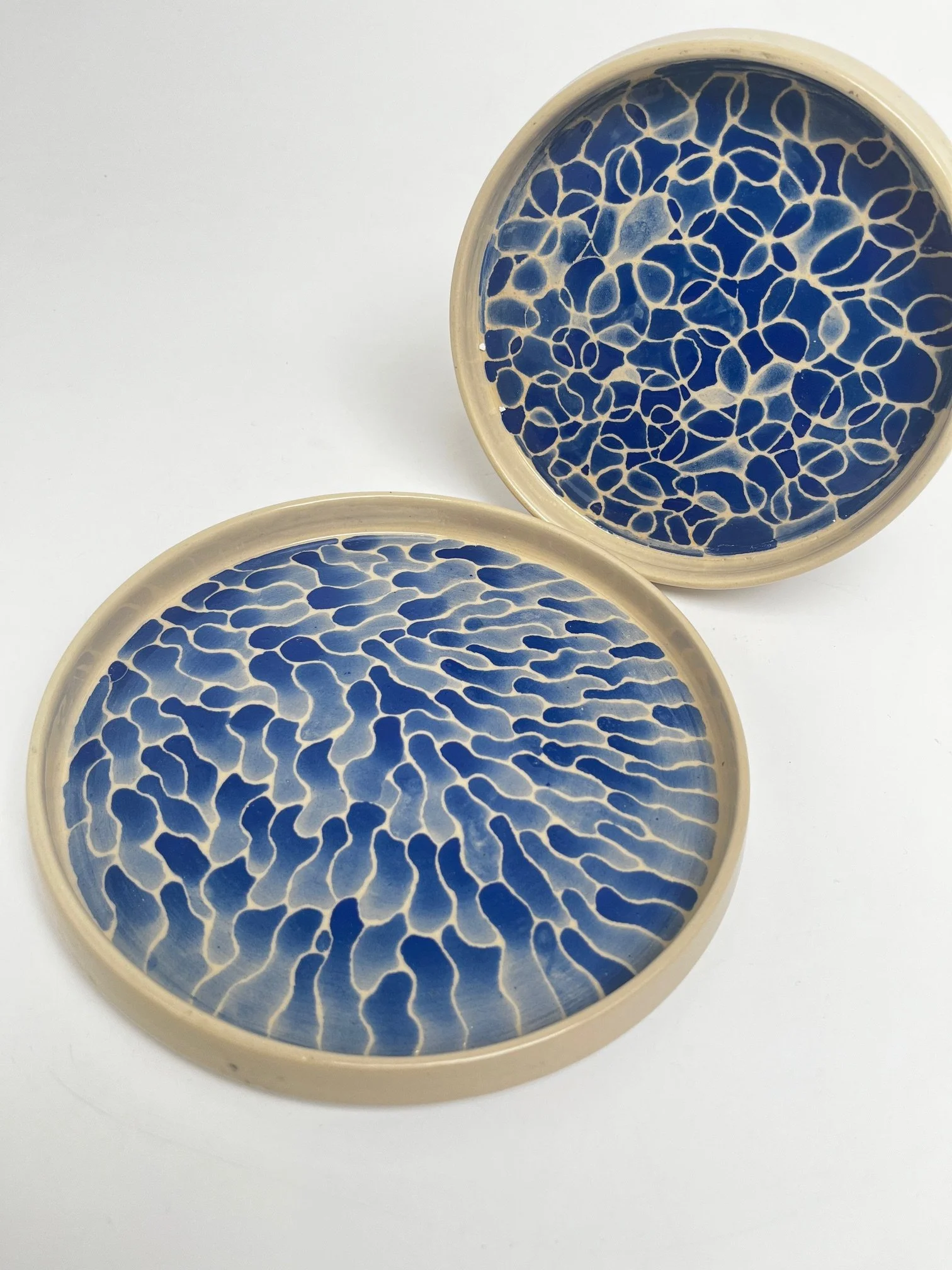
Spend two relaxed hours bringing your own colors and patterns to life on handmade ceramic pieces. Choose from cups, bowls, mugs, plates, or tiles, and make the piece truly yours.
One ceramic object is included in the price. If you feel inspired to paint more, additional pieces are available for €15 each.
We will carefully glaze and fire your work in the kiln. Your finished pieces will be ready in 1–2 weeks, and we’ll gently notify you by email when they’re ready to be collected.
Create small, personal pieces shaped by your own hands.
Design and craft your own ceramic jewellery — pendants, rings, or earrings
Explore textures by pressing, imprinting, or drawing into the clay
Shape a style that feels personal and meaningful
All materials are included
After the workshop:
We carefully glaze and fire your pieces for you
The process takes approximately 2–3 weeks
You’ll receive an email once your jewellery is ready for collection
A gentle, hands-on experience — turning earth into something you can carry with you 🌱
No results match your search. Try removing a few filters.